 EN
EN  VI
VI High-Intensity Focused Ultrasound, commonly known as HIFU, has become a widely recognized non-surgical solution for lifting and tightening the skin. However, as the aging process progresses, many patients begin to notice that HIFU is no longer effective the same visible results. At that point, a more definitive solution such as a Facelift surgery may be worth considering. This article explores the limitations of HIFU, the signs that indicate it may no longer be effective, and how to determine when a surgical facelift becomes the more appropriate option.
By understanding the limitations of each approach, patients can make informed decisions that align with their goals
Understanding How HIFU Works
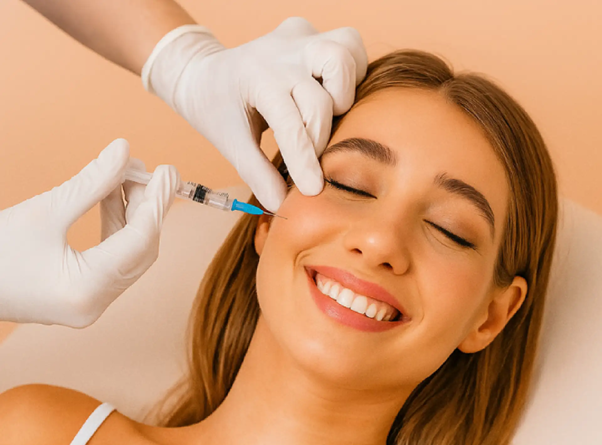
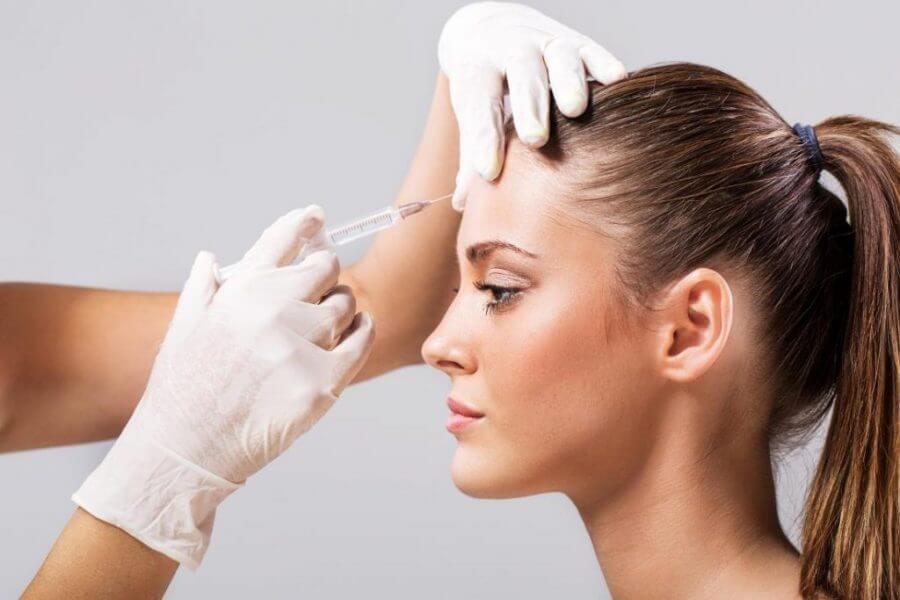
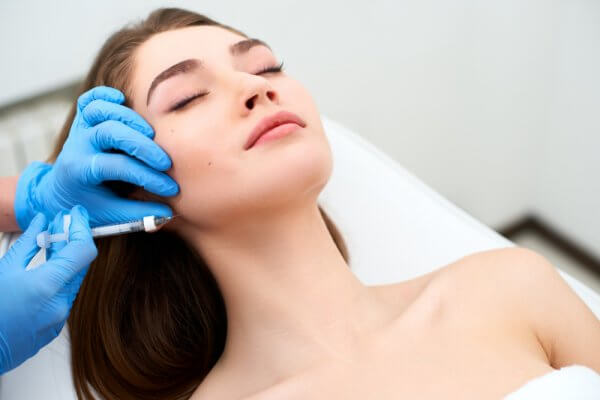
HIFU is a non-invasive treatment that uses focused ultrasound energy to penetrate deep into the skin layers, stimulating collagen production. By targeting the SMAS (superficial muscular aponeurotic system), HIFU aims to tighten and lift the skin gradually over time.
The appeal of HIFU lies in its ability to improve mild to moderate skin laxity without incisions. Patients often see subtle lifting in areas such as the jawline, cheeks, and neck. Results typically develop over two to three months as collagen rebuilds.
However, HIFU relies heavily on the skin’s natural regenerative capacity. This means its effectiveness is closely tied to age, skin quality, and the degree of sagging present.
The Natural Limits of Non-Surgical Treatments
Non-surgical procedures like HIFU are designed to delay the visible signs of aging, not reverse them entirely. As the skin continues to lose collagen, elasticity, and structural support, the impact of HIFU becomes less noticeable.
There is a threshold beyond which non-invasive treatments can no longer compensate for deeper tissue descent. While HIFU may initially produce satisfying results, repeated sessions often yield diminishing returns. Patients may find themselves undergoing more frequent treatments with less visible improvement.
This is not a failure of the technology but rather a reflection of the biological limits of non-surgical rejuvenation.
4 Signs That HIFU Is No Longer Effective
Increasing Skin Laxity
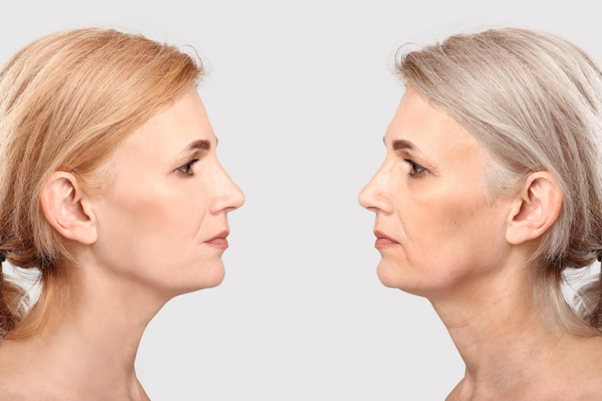
One of the earliest signs is progressive sagging that no longer responds to treatment. If the jawline becomes less defined or the cheeks begin to droop despite regular HIFU sessions, it may indicate that deeper structural changes are occurring.
Minimal or Short-Lived Results
Patients who previously enjoyed visible improvements may start noticing that results fade quickly or are barely noticeable. This often happens when collagen stimulation is no longer sufficient to counteract aging.
Development of Jowls and Neck Bands
HIFU has limited ability to address more advanced concerns such as pronounced jowls or vertical neck bands. These changes involve deeper tissues that typically require surgical repositioning rather than surface-level tightening.
Skin Quality vs Structural Aging
HIFU primarily improves skin quality, not the underlying structure. When aging affects the deeper layers of the face, such as fat pads and ligaments, non-invasive treatments become less effective.
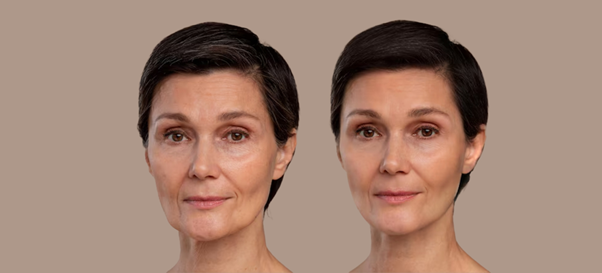
Facelift offers a deeper, more structural correction that non-invasive methods cannot achieve
What a Facelift Can Achieve To Your Skin?
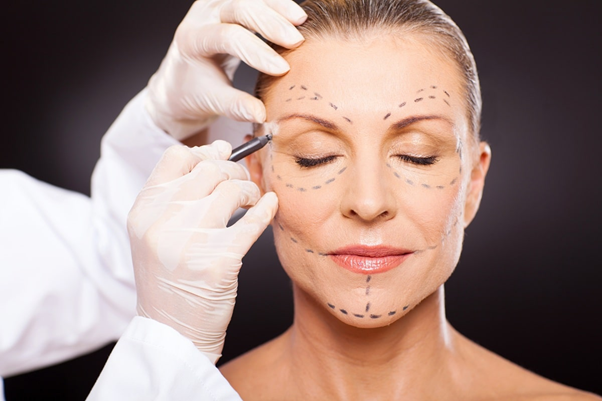
Facelift surgery addresses the root causes of facial aging by repositioning deeper tissues, removing excess skin, and restoring natural contours.
Unlike HIFU, which works gradually and subtly, a facelift provides more dramatic and long-lasting results. It targets the SMAS layer directly, allowing surgeons to lift and secure tissues in a way that non-invasive methods cannot replicate.
Modern facelift techniques have evolved significantly, focusing on natural-looking outcomes rather than overly tight or artificial appearances. When performed by an experienced surgeon, the goal is to restore a refreshed, youthful version of the patient without altering their identity.
Comparing HIFU and Facelift Outcomes
While HIFU offers convenience and minimal downtime, its results are temporary and limited in scope. It is most effective for individuals in their 30s to early 40s with mild skin laxity.
In contrast, a facelift is more suitable for patients experiencing moderate to severe aging changes. It delivers longer-lasting results, often maintaining improvements for many years.
The key difference lies in depth and impact. HIFU stimulates collagen at a superficial level, while a facelift repositions the entire structural framework of the face.
When to Transition from HIFU to Surgery
Age and Skin Condition
Most patients begin considering a surgical option in their late 40s to 60s, although this varies depending on genetics and lifestyle. When skin elasticity significantly declines, non-surgical methods become less effective.
Personal Expectations
If your expectations have evolved from subtle improvement to noticeable rejuvenation, it may be time to explore surgical solutions. A facelift can achieve results that align with more transformative goals.
Frequency of Treatments
Needing repeated HIFU sessions with limited benefit is a strong indicator that the treatment has reached its limit. At this stage, surgery may be more cost-effective and efficient in the long run.
Consultation with a Specialist
A professional evaluation is essential. An experienced surgeon can assess facial anatomy, skin condition, and aging patterns to recommend the most appropriate treatment plan.
Combining Treatments for Optimal Results
In some cases, HIFU and surgical procedures can complement each other. While a facelift addresses structural concerns, non-invasive treatments may still be used to maintain skin quality post-surgery.
This combined approach allows patients to achieve both deep lifting and surface refinement, creating a more comprehensive rejuvenation strategy.
Psychological Readiness for a Facelift
Transitioning from non-surgical to surgical procedures is not just a physical decision but also a psychological one. Patients should feel informed, confident, and realistic about the outcomes.
Understanding the recovery process, potential risks, and long-term benefits is crucial. A well-informed patient is more likely to be satisfied with the results and the overall experience.
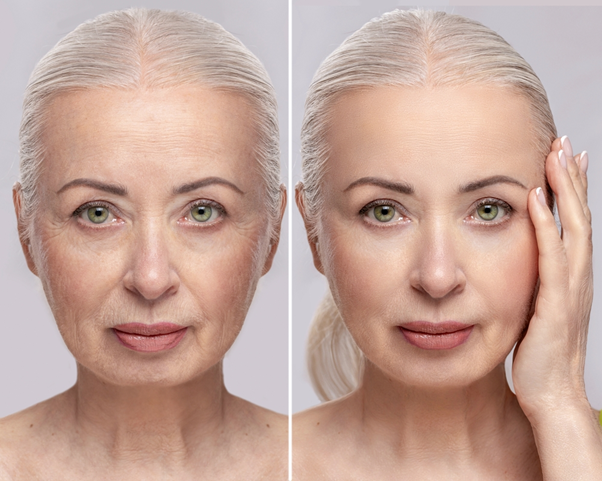
With the right expertise and timing, a facelift can offer a natural, refined, and long-lasting rejuvenation outcome
Conclusion: Choosing the Right Time for Change
HIFU remains an excellent option for early signs of aging and for individuals seeking non-invasive maintenance. However, when its effects plateau and aging progresses, it is important to recognize the limitations and consider more effective alternatives.
A Facelift surgery is not simply a replacement for HIFU but a different level of intervention that addresses deeper structural changes. Recognizing the right time to transition can help you achieve more satisfying and lasting results.
Elevate Your Confidence with Dr.Harvard – Beauty Surgency Clinic
Choosing the right clinic is just as important as choosing the right procedure. At Dr.Harvard – Beauty Surgency Clinic, every treatment plan is built on a deep understanding of facial anatomy, aging patterns, and the unique expectations of each patient. We do not believe in a one-size-fits-all approach. Instead, every consultation is a personalized journey, carefully assessing whether non-invasive solutions like HIFU are still effective, or whether it is time to transition to a more advanced solution such as a Facelift surgery.
Our team continuously updates its techniques in line with global advancements in facial surgery. From modern SMAS-based lifts to refined suturing methods, every detail is carefully executed to ensure harmony in facial proportions and expressions. The result is not just a younger appearance, but a more confident and refreshed version of yourself.
Our experience working with patients from diverse backgrounds allows us to tailor treatments that respect different facial structures, aesthetic preferences, and cultural expectations. Whether you are considering your first aesthetic treatment or exploring advanced surgical options, our team is equipped to guide you with expertise and care.
At Dr.Harvard – Beauty Surgency Clinic, we are here to help you make that decision with clarity and confidence. Book your personalized consultation today and discover a treatment plan designed specifically for you because true beauty is not about transformation, but about refinement and restoration.