 EN
EN  VI
VI Crow’s feet are often among the earliest visible signs of aging. While they may start as subtle expression lines when smiling or squinting, over time they can become deeper, more permanent wrinkles that persist even at rest. Many patients wonder whether a quick, non-invasive solution like Botox is enough to address these lines, or if surgical intervention is ultimately required. Understanding the nature of crow’s feet and the range of available treatments is key to making the right decision for long-term facial rejuvenation.

Crow’s feet are a natural part of aging, but the way you choose to treat them should be anything but generic
What Causes Crow’s Feet to Form?
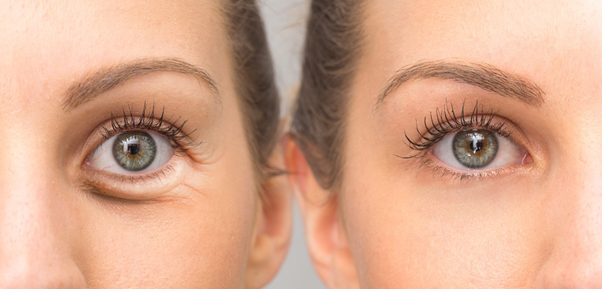
Crow’s feet develop due to a combination of repeated facial expressions, skin aging, and environmental factors. Every time you smile, laugh, or squint, the orbicularis oculi muscle around the eyes contracts. In younger skin, collagen and elastin fibers allow the skin to bounce back easily. However, as these structural proteins decline with age, the skin becomes thinner and less resilient, causing lines to remain etched into the surface.
Sun exposure is another major contributor. Ultraviolet (UV) rays accelerate collagen breakdown, particularly in the delicate eye area where the skin is already thinner. Lifestyle factors such as smoking, dehydration, and poor skincare can further worsen the appearance of crow’s feet. Over time, what begins as dynamic wrinkles—visible only during movement—can evolve into static wrinkles that are visible even when the face is at rest.
Understanding Botox for Crow’s Feet
Botox has become one of the most popular treatments for crow’s feet due to its simplicity, effectiveness, and minimal downtime. Botox works by temporarily relaxing the muscles responsible for wrinkle formation. When injected into the outer eye area, it reduces the muscle contractions that cause crow’s feet, resulting in smoother skin and a more youthful appearance.
The treatment typically takes less than 15 minutes and requires no anesthesia beyond a topical numbing cream, if needed. Results usually begin to appear within a few days and reach their full effect within one to two weeks. Patients can expect smoother, softer lines that last approximately three to four months before gradually fading.
Botox is particularly effective for dynamic wrinkles—those that appear when you smile or squint. It can also help prevent the progression of these lines into deeper, static wrinkles when used regularly over time. For younger patients or those with mild crow’s feet, Botox alone is often sufficient to achieve a refreshed and natural look.
When Botox May Not Be Enough
While Botox is highly effective, it is not a universal solution for all types of crow’s feet. As aging progresses, the skin undergoes structural changes that go beyond muscle activity. Loss of collagen, thinning skin, and decreased elasticity can lead to deeper wrinkles and skin laxity that Botox alone cannot fully correct.
In cases where crow’s feet are deeply etched into the skin and remain visible even at rest, Botox may soften the appearance but will not eliminate the lines entirely. Additionally, some patients experience volume loss in the surrounding areas, such as the temples or upper cheeks, which can make crow’s feet appear more pronounced.
Another limitation is skin redundancy. If the skin around the eyes has begun to sag or fold, simply relaxing the underlying muscle will not address the excess tissue. In these situations, a more comprehensive approach may be required to restore a youthful contour to the eye area.
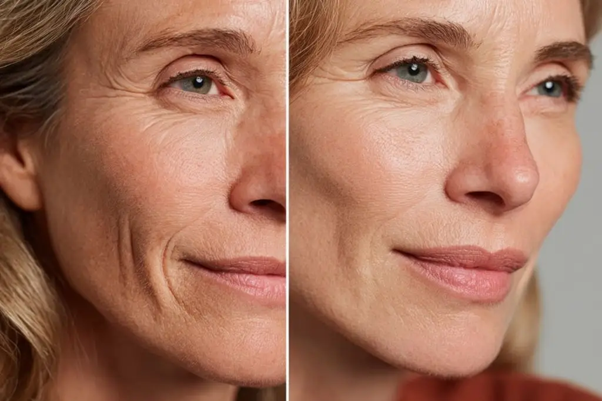
The most effective approach is one that is tailored to your individual facial anatomy, skin condition, and aesthetic goals.
The Role of Combination Treatments
For patients with moderate crow’s feet, combining Botox with other non-surgical treatments can deliver more noticeable and longer-lasting results. Dermal fillers, for example, can help restore lost volume and smooth deeper lines. Skin resurfacing treatments such as laser therapy or chemical peels can improve skin texture, stimulate collagen production, and reduce fine lines.
Microneedling and radiofrequency-based treatments are also increasingly popular for rejuvenating the delicate eye area. These procedures work by stimulating the body’s natural healing response, encouraging the production of new collagen and elastin. When combined with Botox, they can address both the muscular and structural components of crow’s feet.
This multi-modal approach allows for a more customized treatment plan, targeting the specific causes of aging in each patient. Rather than relying on a single solution, combination treatments can provide a more balanced and natural-looking result.
When Surgery Becomes a Consideration
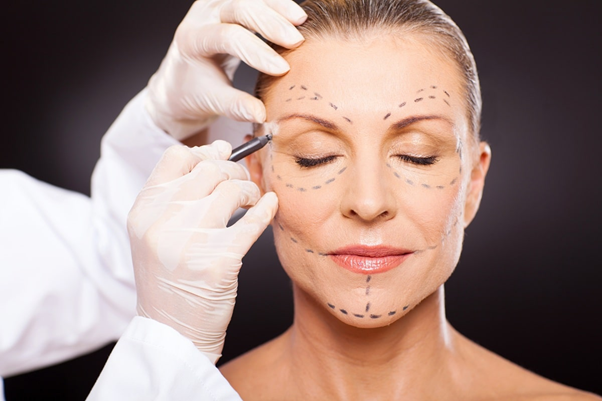
In more advanced cases, surgical intervention may be the most effective way to address crow’s feet. Procedures such as Blepharoplasty (eyelid surgery) or a temporal brow lift can correct excess skin, tighten the surrounding tissues, and rejuvenate the entire eye area.
Blepharoplasty is particularly useful when crow’s feet are accompanied by sagging eyelids or puffiness. By removing excess skin and repositioning underlying structures, the procedure can significantly improve the overall appearance of the eyes. A temporal brow lift, on the other hand, focuses on lifting the outer portion of the eyebrows, which can indirectly reduce the appearance of crow’s feet by tightening the skin in that region.
Unlike Botox, surgical treatments provide longer-lasting results, often lasting for many years. However, they also involve a more extensive recovery period and require careful consideration. Surgery is typically recommended for patients with significant skin laxity or those seeking a more dramatic and permanent transformation.
Choosing the Right Treatment for You
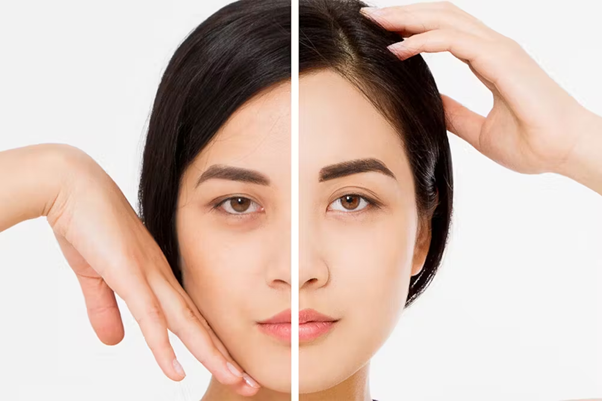
The decision between Botox and surgery ultimately depends on several factors, including the severity of your crow’s feet, your age, skin quality, and personal goals. For younger individuals with early signs of aging, Botox may be all that is needed to maintain a youthful appearance. For those with moderate to advanced wrinkles, a combination of treatments or surgical intervention may provide better results.
A thorough consultation with an experienced cosmetic specialist is essential. During this process, your facial anatomy, skin condition, and expectations will be carefully evaluated to create a personalized treatment plan. The goal is not only to reduce wrinkles but also to preserve natural expression and achieve a harmonious overall look.
It is also important to consider maintenance. Non-surgical treatments like Botox require regular sessions to sustain results, while surgical options offer longer-term improvement but come with higher upfront commitment. Understanding these differences can help you make an informed decision that aligns with your lifestyle and preferences.

The key is not choosing between Botox or surgery in isolation, but understanding which method or a combination, can deliver the most refined and harmonious outcome.
A Modern Approach to Crow’s Feet Rejuvenation at Dr.Harvard – Beauty Surgency Clinic
At Dr.Harvard – Beauty Surgency Clinic, crow’s feet treatment is approached with precision, artistry, and a deep understanding of facial aging. Rather than applying a one-size-fits-all method, the clinic focuses on individualized treatment plans that combine advanced techniques with a natural aesthetic philosophy. Patients benefit from a comprehensive evaluation that considers not only the wrinkles themselves but also the overall harmony of the face, ensuring results that enhance rather than alter natural expressions.
Whether through expertly administered Botox for early-stage lines, combination therapies for more advanced aging, or carefully performed surgical procedures such as blepharoplasty, every treatment is designed to deliver safe, effective, and long-lasting outcomes. With a commitment to international standards, state-of-the-art technology, and a patient-centered approach, Dr.Harvard – Beauty Surgency Clinic has become a trusted destination for those seeking refined and sophisticated eye rejuvenation.
If you are considering treatment for crow’s feet and want a solution tailored specifically to your needs, the clinic offers the expertise and care required to help you achieve a smoother, more youthful, and naturally refreshed appearance.