 EN
EN  VI
VI Botox and dermal fillers have transformed modern aesthetics, offering non-surgical solutions for wrinkles, volume loss, and facial contouring. For many patients, these treatments deliver noticeable, satisfying results with minimal downtime. However, not everyone achieves the same level of rejuvenation. Understanding the real limitations of injectable treatments is essential for setting realistic expectations and making informed decisions about facial aging.
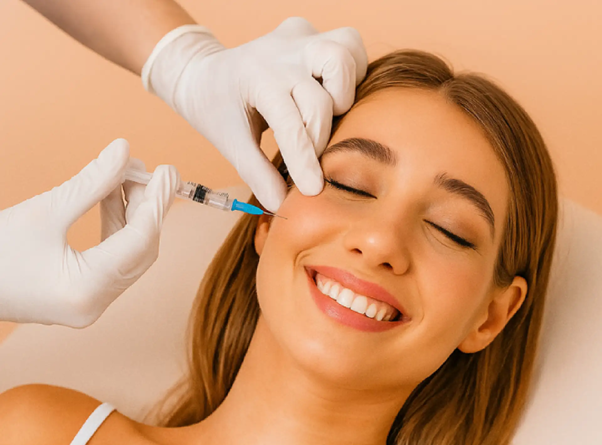
To understand Botox and Fillers’s limitations, it’s important to first recognize how these treatments function.
Understanding How Botox and Fillers Work
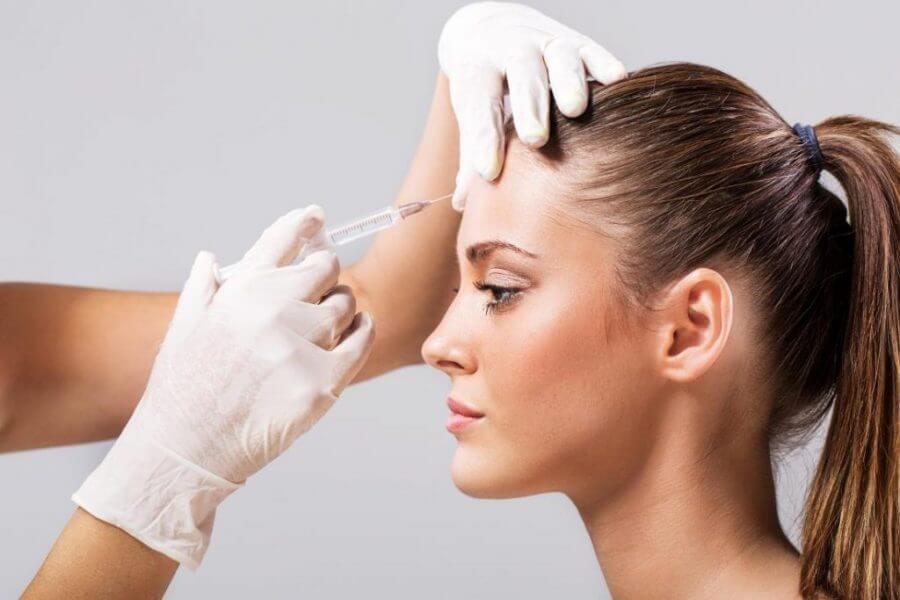
Botox, derived from botulinum toxin, temporarily relaxes targeted muscles that cause dynamic wrinkles such as crow’s feet and frown lines. Dermal fillers, typically made from hyaluronic acid or similar substances, restore lost volume, enhance contours, and smooth static wrinkles.
While these mechanisms are effective, they address only specific aspects of aging. Facial aging is a complex, multi-layered process involving skin quality, fat distribution, muscle activity, and structural changes in bone. Injectables can improve certain elements, but they cannot fully reverse all signs of aging.
The Difference Between Dynamic and Structural Aging
One of the main reasons patients may feel dissatisfied with injectables is the misunderstanding of what these treatments can realistically correct. Botox is most effective for dynamic wrinkles caused by repetitive facial movements. Fillers, on the other hand, are designed to replace volume loss.
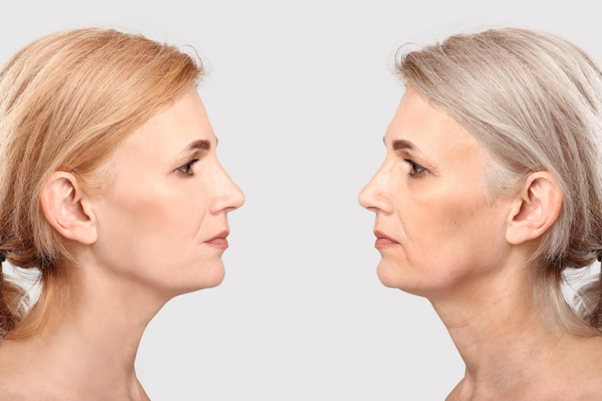
However, aging also involves deeper structural changes such as skin laxity, ligament weakening, and bone resorption. These issues cannot be corrected with Botox alone and can only be partially improved with fillers. When patients expect injectables to lift sagging skin or redefine severely aged contours, the results may fall short of expectations.
Skin Quality Cannot Be Fully Corrected by Injections
Another key limitation lies in skin quality. Fine lines, enlarged pores, pigmentation, and overall texture are not directly addressed by Botox or fillers. While fillers can improve hydration and create a smoother appearance in some cases, they do not fundamentally change the skin’s surface condition.
Patients with sun damage, acne scarring, or significant textural irregularities often require additional treatments such as lasers, chemical peels, or skin resurfacing. Without addressing these concerns, injectable treatments alone may not deliver the desired rejuvenation.
The Problem of Overfilling and Unnatural Results
In an attempt to compensate for limitations, some practitioners may rely on excessive filler use. Overfilling can lead to unnatural facial proportions, loss of facial expression, and the so-called “puffy” or “overdone” appearance.
Instead of achieving rejuvenation, the face may look heavier or distorted. This highlights an important limitation: injectables must be used conservatively and strategically. They are tools for enhancement, not complete transformation. When used improperly, they can compromise rather than improve aesthetic outcomes.
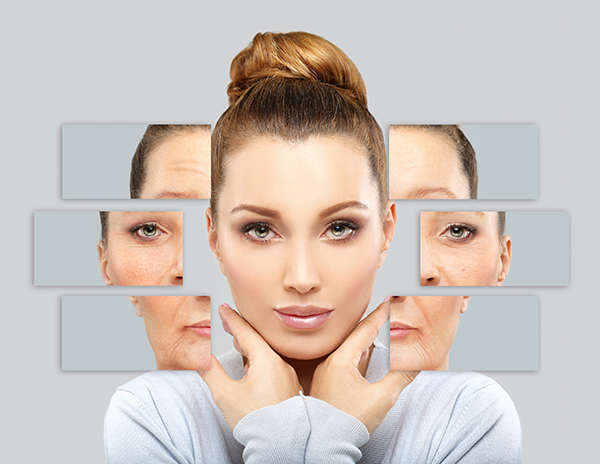
Subtle enhancements with Botox and fillers can refresh your appearance while preserving your natural expressions
Age and Severity of Aging Matter
Injectables tend to be most effective in early to moderate stages of aging. Younger patients with mild wrinkles or subtle volume loss often experience excellent results. However, as aging progresses, the limitations become more apparent.
In cases of advanced skin laxity, deep folds, and significant structural descent, Botox and fillers cannot replicate the lifting effect of surgical procedures. Patients in these categories may notice only minimal improvement, leading to dissatisfaction despite multiple treatments.
The Temporary Nature of Results
Another important limitation is that Botox and fillers are not permanent solutions. Botox typically lasts three to six months, while fillers may last from six months to two years depending on the type used.
This temporary nature requires ongoing maintenance. For some patients, the need for repeated treatments can become costly and time-consuming. Additionally, inconsistent maintenance can lead to fluctuating results, which may affect overall satisfaction.
Psychological Expectations and Perception
Patient expectations play a significant role in perceived outcomes. Some individuals expect dramatic, transformative changes from minimally invasive procedures. When these expectations are not met, even technically successful treatments may be viewed as disappointing.
A thorough consultation and honest communication are essential to align expectations with achievable results. Without this, patients may pursue repeated treatments in search of an unrealistic outcome, often leading to frustration or overcorrection.
When Injectables Are Not Enough
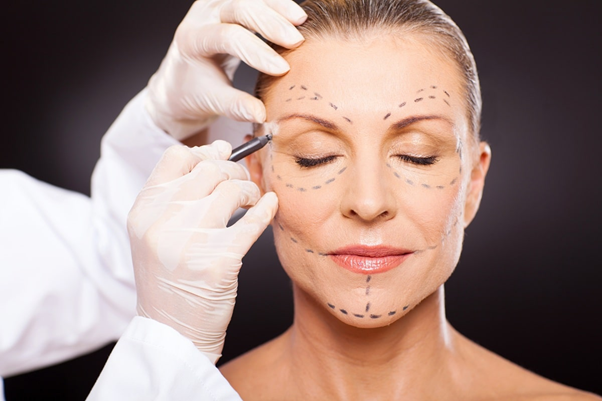
There comes a point where injectables alone are no longer sufficient to achieve meaningful rejuvenation. Procedures such as facelifts, neck lifts, or other surgical interventions address deeper anatomical changes that injectables cannot reach.
This does not mean Botox and fillers are ineffective. Rather, they are part of a broader treatment spectrum. In many cases, the best results come from combining treatments injectables for fine-tuning and surgery for structural correction.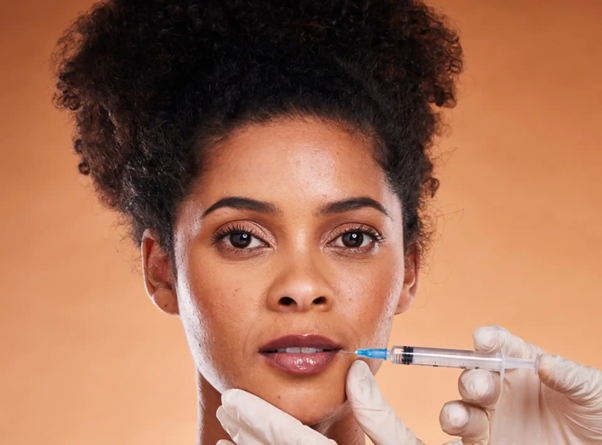
A personalized treatment approach ensures results that feel natural, confident, and harmonious
The Importance of an Expert Treatment Plan
The limitations of Botox and fillers highlight the importance of individualized treatment planning. A skilled practitioner evaluates not just wrinkles or volume loss, but the entire facial structure, skin condition, and aging pattern.
A comprehensive approach may involve combining injectables with other modalities such as energy-based devices, skin treatments, or surgical procedures. This ensures that each concern is addressed appropriately, rather than relying on a single solution for complex aging changes.
Conclusion: Realistic Expectations Lead to Better Outcomes
Botox and dermal fillers remain powerful tools in aesthetic medicine, but they are not universal solutions. Their effectiveness depends on the type of aging, individual anatomy, and the expertise of the practitioner.
Understanding their limitations allows patients to approach treatment with realistic expectations. When used appropriately and as part of a well-designed plan, injectables can deliver natural, subtle, and satisfying results. However, recognizing when they are not enough is equally important in achieving true facial rejuvenation.
Experience Personalized Aesthetic Care at Dr.Harvard – Beauty Surgency Clinic
At Dr.Harvard – Beauty Surgency Clinic, we approach aesthetic medicine with a philosophy that goes far beyond temporary enhancement. We understand that true facial rejuvenation is not about chasing trends or overusing injectables, but about respecting the natural anatomy and aging process of each individual patient.
Our clinic is built on the principle that every face requires a personalized strategy. During consultation, our specialists conduct a detailed assessment of facial structure, skin condition, and aging patterns. Instead of recommending Botox or fillers as a default solution, we focus on identifying the root causes of aging and selecting the most appropriate treatments to address them.
For patients considering injectables, we emphasize precision and restraint. Botox and fillers are used as refined tools to enhance expression, restore balance, and maintain a youthful appearance without compromising natural beauty. Our goal is always to achieve results that are subtle, elegant, and undetectable.
However, we are equally honest when injectables are not enough. In cases of significant skin laxity or advanced aging, our team may recommend more comprehensive approaches, including surgical options that provide deeper and longer-lasting correction. This transparency ensures that patients receive treatments that truly match their needs, rather than temporary fixes that fall short.
At Dr.Harvard, patient safety and long-term outcomes are our top priorities. Every procedure is performed with strict medical standards, advanced techniques, and a commitment to achieving harmony rather than exaggeration.
If you are exploring Botox, fillers, or more advanced facial rejuvenation treatments, our team is here to guide you with expertise, honesty, and a personalized approach. True beauty lies not in changing who you are, but in enhancing what already makes you unique and that is the standard we uphold in every treatment we provide.