 EN
EN  VI
VI In the modern era of aesthetic medicine, individuals seeking facial rejuvenation are presented with more options than ever before. Among the most commonly compared treatments are HIFU vs facelift. Both aim to restore a youthful appearance, reduce sagging, and redefine facial contours. However, they differ significantly in approach, effectiveness, longevity, and suitability for various aging concerns. Understanding these differences is essential to determine when non-invasive treatment is sufficient and when surgery becomes the better choice.

Choosing between HIFU and facelift ultimately depends on the degree of aging, individual expectations, and long-term aesthetic goals
Understanding HIFU: A Non-Invasive Lifting Technology
HIFU, or High-Intensity Focused Ultrasound, is a non-surgical treatment designed to tighten and lift the skin by stimulating collagen production. The technology works by delivering focused ultrasound energy deep beneath the skin’s surface, targeting the SMAS layer—the same foundational layer addressed during a surgical facelift. This energy creates controlled thermal coagulation points that trigger the body’s natural healing response, resulting in firmer and tighter skin over time.
One of the primary advantages of HIFU is that it does not require incisions, anesthesia, or significant downtime. Most patients can resume normal activities immediately after treatment. Gradual improvement typically appears over two to three months as collagen regenerates. Because it relies on the body’s natural response, the results are subtle and progressive rather than dramatic.
HIFU is most suitable for individuals in their late 20s to early 40s who experience mild to moderate skin laxity. It is particularly effective for early jowling, slight drooping of the cheeks, and mild sagging along the jawline or neck. However, it cannot remove excess skin or significantly reposition underlying tissues. This limitation is important when considering more advanced aging concerns.
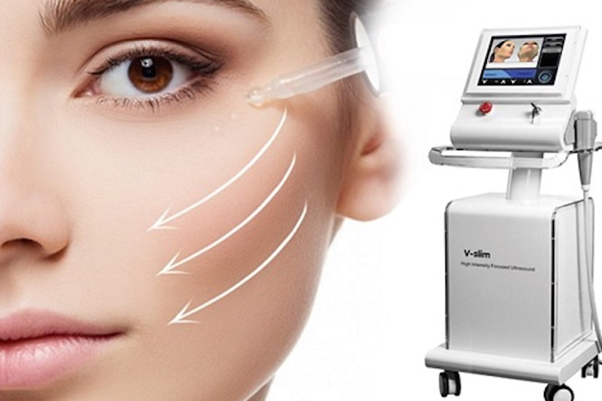
HIFU offers a convenient, non-invasive solution for early skin laxity and those seeking gradual improvement without downtime
Understanding Facelift Surgery: Structural Rejuvenation
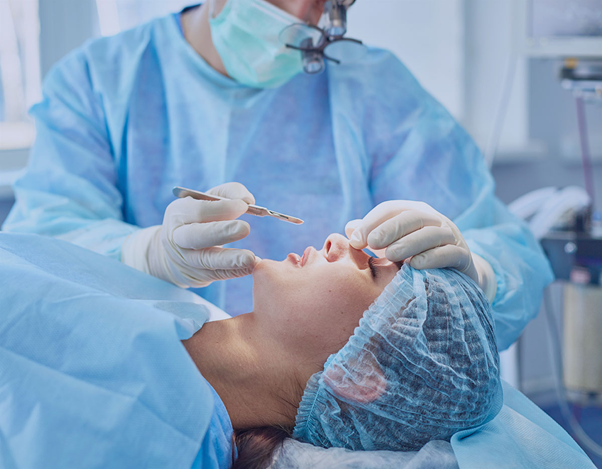
A facelift, medically known as rhytidectomy, is a surgical procedure designed to lift and reposition deeper facial structures while removing excess skin. Unlike HIFU, which relies on collagen stimulation, a facelift physically corrects sagging tissues and restores facial contours through surgical manipulation.
During a facelift, incisions are typically placed along the hairline and around the ears. The surgeon lifts and tightens the SMAS layer, removes surplus skin, and redrapes the remaining skin to create a smoother, more youthful appearance. Depending on the patient’s needs, the procedure can address midface sagging, deep nasolabial folds, jowls, and loose neck skin.
Because it directly repositions anatomical structures, facelift surgery produces more dramatic and long-lasting results compared to non-invasive treatments. Results can last ten years or longer, depending on individual aging processes and lifestyle factors. Recovery time is longer than HIFU, often requiring two to three weeks for visible swelling and bruising to subside.
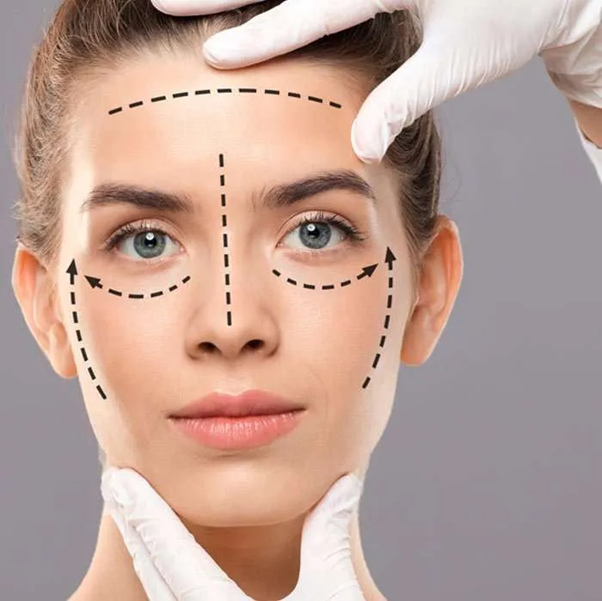
A facelift is best suited for individuals who have progressed beyond the stage where collagen stimulation alone can provide meaningful improvement.
Key Differences Between HIFU and Facelift
The fundamental difference between HIFU and facelift lies in their depth and capability. HIFU stimulates collagen and provides skin tightening without altering structural anatomy. A facelift surgically corrects deep tissue descent and removes excess skin.
In terms of invasiveness, HIFU is non-surgical with minimal downtime, while a facelift requires anesthesia, incisions, and a structured recovery period. When comparing results, HIFU offers subtle lifting effects ideal for early aging, whereas a facelift delivers significant and comprehensive rejuvenation suitable for advanced sagging.
Longevity is another critical factor. HIFU results typically last between one to two years and may require maintenance sessions. A surgical facelift provides longer-lasting outcomes, often maintaining improvement for a decade.
Cost considerations also differ. Although facelift surgery requires a higher upfront investment, repeated HIFU sessions over several years may accumulate substantial expenses without achieving the same transformative effect.
When Is Surgery the Better Choice?
Surgery becomes the better option when aging signs exceed the corrective capacity of non-invasive treatments. Individuals in their late 40s, 50s, or older who present with moderate to severe skin laxity often find that HIFU alone cannot deliver the desired improvement.
Deep folds around the mouth, pronounced jowls, significant neck sagging, and visible excess skin are clear indicators that structural repositioning is necessary. In such cases, stimulating collagen will not eliminate redundant tissue. Only surgical lifting can effectively restore definition and contour.
Patients seeking dramatic and long-lasting transformation typically benefit more from a facelift. While HIFU can maintain early signs of aging, it cannot reverse substantial tissue descent. Those who prefer a single comprehensive procedure rather than ongoing maintenance treatments may also find surgery more practical in the long term.
Another important consideration is facial anatomy. Some individuals naturally have heavier lower faces or weaker jawline definition. In these cases, lifting the deeper layers surgically produces more harmonious and balanced results compared to surface-level tightening.
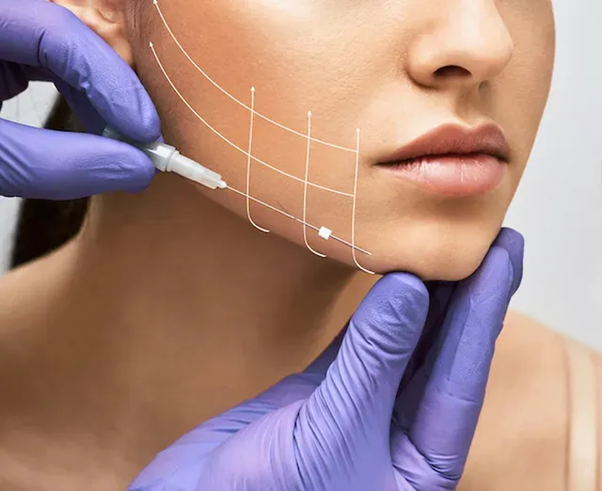
Both procedures are considered safe when performed correctly, but they differ in risk level and recovery
Psychological and Lifestyle Considerations
Choosing between HIFU and facelift is not solely about physical indications. Psychological readiness and lifestyle factors also play a role. Surgery requires preparation, recovery time, and realistic expectations. Patients must be comfortable with temporary swelling and the healing process.
For individuals with busy schedules who cannot accommodate downtime, HIFU may initially appear more convenient. However, repeated sessions and limited correction might lead to dissatisfaction if expectations are too high. A well-informed decision often depends on understanding both short-term convenience and long-term effectiveness.
Confidence and self-image also influence the decision. Patients who feel that aging significantly impacts their professional or social life may prefer a more definitive solution. Surgery can provide a profound boost in confidence when performed appropriately.
Combining Approaches for Optimal Results
In some cases, HIFU and facelift are not mutually exclusive. Younger patients may begin with HIFU to delay the need for surgery. After a facelift, HIFU can help maintain results by stimulating collagen production over time.
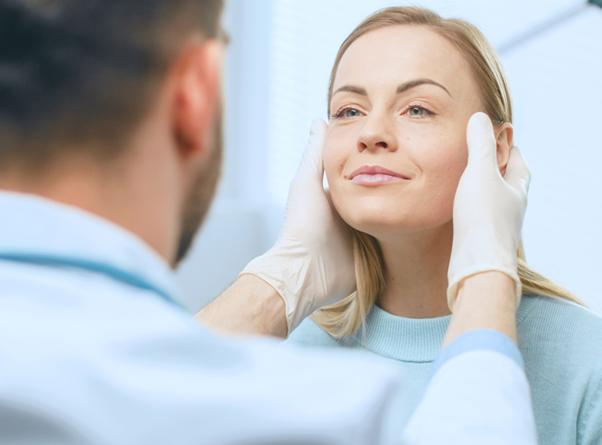
A comprehensive consultation with an experienced aesthetic surgeon is essential to determine the most appropriate treatment plan. Individual skin quality, bone structure, age, and aesthetic goals must all be carefully evaluated.
Safety and Expertise Matter
Both HIFU and facelift procedures require skilled practitioners to ensure safety and optimal outcomes. Improperly performed HIFU can cause uneven tightening or nerve irritation. Poorly executed surgery may lead to unnatural results or visible scarring. Selecting a reputable clinic with experienced specialists is crucial in achieving natural, harmonious rejuvenation.
HIFU and facelift each hold valuable roles in facial rejuvenation. HIFU is ideal for early signs of aging and those seeking non-invasive improvement with minimal downtime. However, when moderate to severe sagging, deep folds, and excess skin are present, facelift surgery becomes the superior option. Its ability to reposition deeper structures and remove redundant skin provides more dramatic and longer-lasting results.
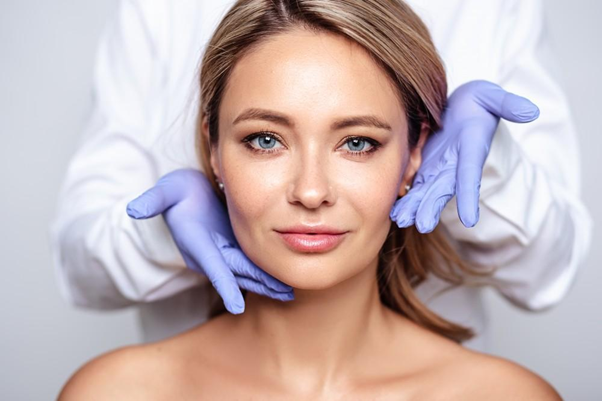
The best treatment is not determined by trend or convenience, but by individual anatomy and realistic expectations.
Rejuvenate with Confidence at Dr. Harvard Beauty Surgery Clinic
At Dr. Harvard Beauty Surgery Clinic, we believe that true beauty enhancement begins with personalized consultation and medical excellence. Our experienced surgeons specialize in advanced facelift techniques that deliver natural, refined, and long-lasting results tailored to each patient’s unique facial structure.
Whether you are considering HIFU as a preventive measure or exploring facelift surgery for comprehensive rejuvenation, our team provides honest assessments and customized treatment plans designed to achieve optimal outcomes with safety as the highest priority.
Experience world-class aesthetic care and restore your youthful confidence with precision, artistry, and expertise at Dr. Harvard Beauty Surgery Clinic. Your journey to a refreshed and confident appearance begins with the right choice—and the right team.