 EN
EN  VI
VI Undergoing surgery in a foreign country requires more than booking a flight and scheduling an appointment. A critical step that determines both safety and surgical success is completing comprehensive preoperative tests. These medical evaluations ensure that patients are physically prepared for anesthesia, surgery, and recovery. For overseas cosmetic surgery patients, proper preoperative testing is not optional; it is an essential safeguard that protects health, ensures smooth surgical planning, and supports optimal healing.

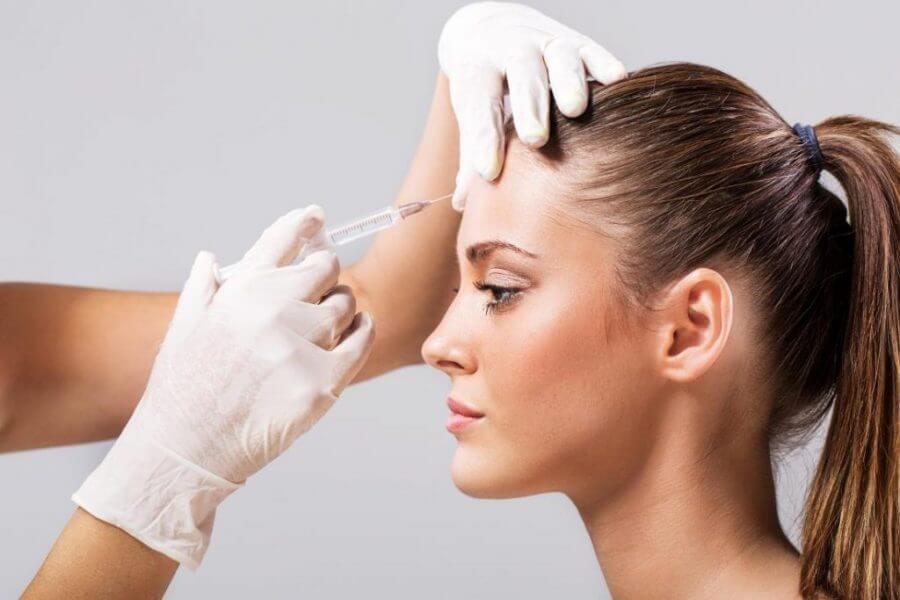
Comprehensive preoperative testing is a critical medical safeguard that ensures patients are physically prepared for anesthesia, surgery, and recovery
Why Preoperative Testing Is Essential for Overseas Patients
Preoperative tests serve as a medical screening process to evaluate a patient’s overall health condition before surgery. For international patients, this process carries even greater importance due to long-distance travel, potential jet lag, climate changes, and differences in healthcare systems. Surgeons must verify that a patient is fit for anesthesia and capable of healing properly without complications.
Undiagnosed conditions like anemia, hypertension, diabetes, clotting disorders, or heart abnormalities can significantly increase surgical risks. Preoperative testing helps identify these concerns early, allowing doctors to either treat the issue beforehand or adjust the surgical plan accordingly.
For overseas patients, preoperative tests also help avoid unexpected cancellations after arrival. Traveling internationally only to discover a medical contraindication can be emotionally and financially stressful. Comprehensive testing ensures readiness before the surgery date, creating a smooth and predictable experience.
Standard Blood Tests
One of the most fundamental preoperative requirements is laboratory blood testing. A complete blood count evaluates red blood cells, white blood cells, hemoglobin levels, and platelet counts. Hemoglobin levels are particularly important because low levels may indicate anemia, which can increase the risk of complications during surgery and delay recovery. Platelet levels are essential to assess clotting ability and reduce the risk of excessive bleeding.
Blood chemistry panels examine kidney function, liver function, blood sugar levels, and electrolyte balance. Proper kidney and liver function are vital for metabolizing anesthesia safely. Abnormal blood sugar levels may indicate diabetes or poor glycemic control, which can impair wound healing and increase infection risk.
Coagulation tests assess how well the blood clots. Cosmetic procedures often involve tissue manipulation, and adequate clotting function is necessary to prevent excessive bleeding or hematoma formation. For patients who take blood thinners or certain medications, these tests are particularly important to determine whether medication adjustments are required before surgery.
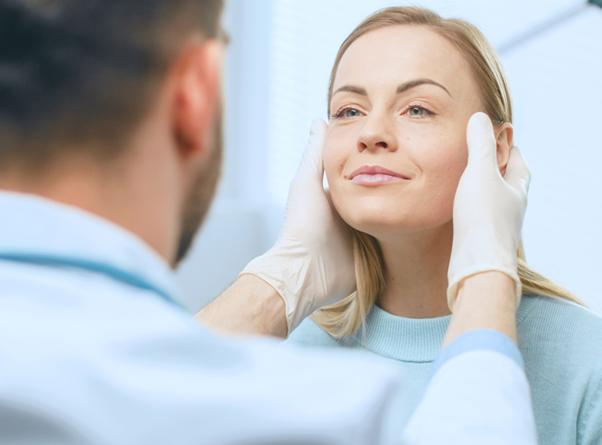
For overseas patients, careful planning and timely medical evaluations help prevent unexpected delays, reduce risks
Cardiovascular Assessment
A cardiovascular evaluation is commonly required, especially for patients over 35 or those with a history of heart conditions, high blood pressure, or smoking. An electrocardiogram records the electrical activity of the heart and helps detect arrhythmias, ischemic changes, or other abnormalities that may affect anesthesia safety.
For some patients, particularly those undergoing longer procedures or combination surgeries, additional cardiac evaluations such as echocardiography or a consultation with a cardiologist may be recommended. Stable blood pressure control is also essential. Uncontrolled hypertension increases the risk of bleeding and postoperative complications. Identifying elevated blood pressure before surgery allows time for medical management and stabilization.
Imaging Studies
Depending on the specific cosmetic procedure, imaging studies may be required. For breast augmentation or breast reduction surgery, a breast ultrasound or mammogram may be recommended, particularly for patients over 40 or those with a family history of breast disease. These imaging tests ensure there are no underlying abnormalities that need to be addressed before surgery.
For rhinoplasty or facial surgery, specialized imaging may help surgeons assess nasal structure or facial anatomy in complex cases. Although cosmetic procedures primarily focus on aesthetic enhancement, structural assessment ensures surgical precision and safety.
In body contouring procedures such as tummy tuck or liposuction, imaging may not always be mandatory but can be helpful if the patient has prior surgical history, suspected hernias, or unusual anatomical concerns.
Infectious Disease Screening
International travel introduces potential exposure to infectious diseases, and screening is an important part of preoperative evaluation. Tests for hepatitis B, hepatitis C, HIV, and other blood-borne infections are often required. These screenings protect both the patient and medical staff while ensuring appropriate perioperative management if necessary.
Chest X-rays may be recommended to evaluate lung health, especially for smokers or patients with respiratory conditions. General anesthesia requires adequate lung function, and undiagnosed pulmonary issues could increase anesthesia risk.

Patients not only protect their health but also enhance the likelihood of achieving beautiful, long-lasting results
Hormonal and Metabolic Evaluations
For certain cosmetic procedures, hormonal balance plays a significant role in surgical outcomes. Thyroid function tests may be recommended if the patient has symptoms of thyroid disorders. An underactive or overactive thyroid can influence metabolism, heart rate, and healing capacity.
Patients with diabetes must undergo thorough blood glucose assessment. Poorly controlled diabetes significantly increases the risk of infection and delayed wound healing. Surgeons may require documented stable glucose levels before proceeding.
For women undergoing procedures such as breast surgery or body contouring, pregnancy testing is mandatory in many clinics. Surgery and anesthesia are contraindicated during pregnancy, making this screening essential for patient safety.
Medication Review and Lifestyle Assessment
A comprehensive medical consultation includes reviewing all medications, supplements, and herbal products the patient is taking. Certain supplements such as ginkgo biloba, vitamin E, or fish oil can increase bleeding risk. Hormonal medications or contraceptives may require temporary discontinuation depending on the procedure.
Smoking status is carefully evaluated. Nicotine constricts blood vessels and significantly impairs wound healing, increasing the risk of necrosis and infection. Overseas patients are typically advised to stop smoking several weeks before surgery to ensure optimal recovery.
Alcohol consumption and recreational drug use are also assessed, as they can interfere with anesthesia and postoperative healing.
The Role of Preoperative Consultation
Preoperative testing is part of a broader medical evaluation that includes consultation with the surgeon and anesthesiologist. During this stage, the medical team reviews test results, evaluates physical condition, discusses expectations, and outlines potential risks. Clear communication is especially important for overseas patients who may face language barriers or cultural differences.
A thorough consultation ensures informed consent and builds trust between patient and medical provider. It also provides an opportunity to discuss recovery timelines, post-surgery care, and travel arrangements after the procedure.

Choosing a reputable clinic that prioritizes thorough preoperative assessment reflects a commitment to patient well-being and ethical medical practice
Choosing a Clinic That Prioritizes Safety
When selecting a cosmetic surgery clinic abroad, patients should prioritize medical facilities that adhere to strict international safety protocols. Comprehensive preoperative testing is a hallmark of responsible and ethical practice. A clinic that requires thorough screening demonstrates commitment to patient safety rather than rushing into surgery.
At Dr. Harvard Beauty Surgery Clinic, patient safety is our highest priority especially for international clients seeking world-class cosmetic enhancement. We implement a comprehensive preoperative testing protocol tailored specifically for overseas patients. From detailed blood analysis and cardiovascular assessment to imaging studies and anesthetic evaluation, every step is conducted with precision and care.
Our experienced medical team ensures that all test results are thoroughly reviewed before surgery, minimizing risks and maximizing aesthetic results. We provide clear guidance before arrival, assist with medical documentation, and offer seamless coordination from consultation to recovery.
If you are considering cosmetic surgery abroad, choose a clinic that values safety as much as beauty. Dr. Harvard Beauty Surgery Clinic is committed to delivering exceptional results through advanced techniques, strict medical standards, and personalized care. Contact us today to begin your journey with confidence and peace of mind.