 EN
EN  VI
VI Facelift surgery has become an increasingly popular choice for overseas patients seeking advanced aesthetic results combined with high medical standards and personalized care. For many international visitors, traveling abroad for a facelift is not only about cost efficiency, but also about accessing experienced surgeons, modern facilities, and a holistic treatment journey that balances medical precision with comfort and privacy. This article provides a comprehensive overview of facelift surgery for overseas patients, focusing on the surgical process, recovery stages, and a realistic travel timeline to help patients prepare with confidence.

Understanding the full process, from initial consultation to recovery and travel planning, is essential to ensure both safety and satisfaction
Understanding Facelift Surgery for International Patients
A facelift, medically known as rhytidectomy, is a surgical procedure designed to address visible signs of aging in the face and neck. It aims to improve skin laxity, redefine facial contours, and restore a more youthful yet natural appearance. For overseas patients, facelift surgery typically involves a structured and well-coordinated plan that begins long before arrival and continues after returning home.
International patients often choose facelift surgery abroad due to access to board-certified surgeons, advanced techniques, and comprehensive care packages that include consultation, surgery, accommodation guidance, and post-operative follow-up. Clinics specializing in overseas care usually provide multilingual support and detailed pre-travel instructions to ensure smooth communication and continuity of care.
Pre-Travel Consultation and Medical Assessment
Before traveling, overseas patients typically undergo an online consultation. This stage is crucial for evaluating candidacy, discussing expectations, and establishing a personalized treatment plan. Patients are asked to provide facial photographs, medical history, and details about previous cosmetic procedures or underlying health conditions.
During this phase, the surgeon assesses skin quality, facial structure, degree of aging, and suitability for different facelift techniques. Options may include a traditional facelift, deep plane facelift, mini facelift, or combined procedures such as neck lift or fat grafting. A clear surgical plan helps determine the expected recovery time and informs travel arrangements.
Medical clearance is another important aspect. Overseas patients may be required to complete blood tests, imaging, or health screenings either in their home country or upon arrival. This ensures the procedure can be performed safely under general anesthesia.
Arrival and In-Person Consultation
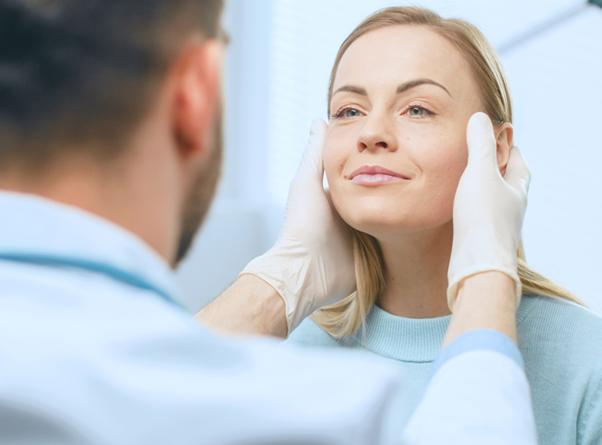
Once patients arrive at the clinic destination, an in-person consultation is conducted to confirm the surgical plan. This appointment allows the surgeon to perform a physical examination, review facial anatomy in detail, and finalize incision placement and technique. It also provides an opportunity for patients to ask last-minute questions and gain reassurance before surgery.
Overseas patients are usually advised to arrive at least one to two days before the operation. This buffer time helps them adjust to time zone changes, rest after travel, and complete any remaining pre-operative tests without pressure.
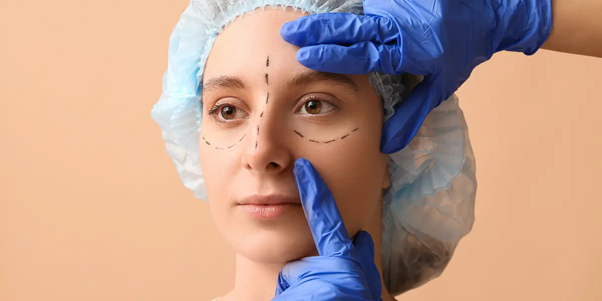
For overseas patients, facelift surgery is often combined with neck lifting, fat transfer, eyelid surgery, or skin rejuvenation treatments to achieve harmonious facial balance in a single surgical journey
The Facelift Surgery Procedure
Facelift surgery is typically performed under general anesthesia and can last between three to five hours, depending on the complexity and whether additional procedures are included. The surgeon makes carefully concealed incisions along the hairline and around the ears to minimize visible scarring.
During the procedure, underlying facial tissues are repositioned, excess skin is removed, and the facial contours are refined. Advanced techniques focus on lifting deeper layers of the face rather than simply tightening the skin, resulting in more natural and long-lasting outcomes.
After surgery, patients are closely monitored in a recovery area. Most overseas patients stay in the clinic or a nearby medical facility for at least one night to ensure safety and comfort.
Immediate Post-Surgery Recovery
The first few days after facelift surgery are critical. Patients can expect swelling, bruising, and a feeling of tightness in the face and neck. These effects are normal and gradually improve with proper care. Pain is usually manageable with prescribed medication.
For overseas patients, clinics often arrange daily check-ups during this early recovery period. Dressings may be adjusted, and drainage tubes, if used, are typically removed within the first one to two days. Clear instructions are provided on wound care, sleeping position, and activity restrictions.
Rest is strongly encouraged during this stage. Patients are advised to avoid strenuous movements, excessive facial expressions, and direct sun exposure.
Recovery Timeline for Overseas Patients
Understanding the recovery timeline is essential for planning travel and return flights. In the first week, swelling and bruising are most noticeable, but patients generally begin to feel more comfortable after several days. By the end of the first week, stitches or sutures may be removed, depending on the technique used.
During the second week, visible bruising significantly subsides, and facial contours begin to look more refined. Many overseas patients choose to stay in the country for ten to fourteen days post-surgery to allow adequate healing under the surgeon’s supervision.
By the third and fourth weeks, most swelling continues to decrease, and patients can resume light daily activities. Although the face may still feel slightly firm or numb in certain areas, these sensations usually resolve over time.
Final results of a facelift become more apparent after three to six months, once tissues have fully settled and scars have matured.

Facelift surgery is typically performed under general anesthesia and lasts between three to five hours, depending on the complexity of the procedure
Travel Considerations and Flying After Surgery
Travel planning is a key concern for overseas facelift patients. Flying too soon after surgery can increase swelling and discomfort due to cabin pressure and prolonged sitting. Most surgeons recommend waiting at least ten to fourteen days before taking a long-haul flight.
Patients are advised to wear compression garments if recommended, stay well-hydrated during travel, and take short walks during the flight to maintain circulation. It is also important to carry prescribed medications and post-operative instructions when traveling.
Before departure, the clinic typically conducts a final check-up to ensure healing is progressing well and that the patient is fit to fly. Detailed aftercare guidelines are provided for continued recovery at home.
Long-Term Aftercare and Follow-Up
Even after returning home, follow-up care remains an essential part of the facelift journey. Overseas patients usually maintain contact with their surgeon through online consultations, photo updates, or virtual check-ins. This ensures any concerns are addressed promptly and healing remains on track.
Proper skincare, sun protection, and adherence to post-operative advice play a significant role in maintaining long-lasting results. Many patients are advised to avoid smoking, excessive alcohol consumption, and intense physical activities during the healing period.
Why Choose Dr.Harvard Beauty Surgery Clinic for Overseas Facelift Surgery
At Dr.Harvard Beauty Surgery Clinic, we understand that overseas patients require more than just excellent surgical outcomes. Our approach combines advanced facelift techniques, personalized treatment plans, and comprehensive international patient support to ensure a safe and seamless experience.
With a team of highly trained aesthetic surgeons, modern surgical facilities, and dedicated aftercare services, Dr.Harvard Beauty Surgery Clinic is committed to delivering natural-looking, refined results while prioritizing patient comfort and safety. From online consultation to post-operative follow-up, we accompany our overseas patients at every stage of their transformation.
If you are considering facelift surgery abroad and seek professional care with international standards, Dr.Harvard Beauty Surgery Clinic is ready to support your journey toward a youthful and confident appearance.