 EN
EN  VI
VI In today’s fast-paced lifestyle, many people schedule aesthetic treatments like Botox or dermal fillers in between work trips, vacations, or important events. A common concern that arises after these procedures is whether it is safe to travel, especially by airplane, and how soon one can do so without affecting results or recovery. This article provides a comprehensive, medically grounded guide on how soon you can travel after Botox or filler treatments, what factors influence recovery, and how to plan your trip safely.
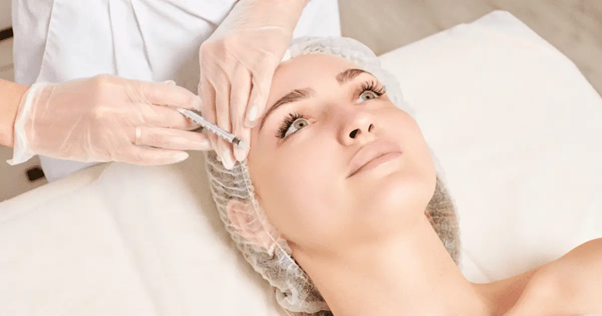
Understanding the relationship between injectable aesthetic treatments and travel is essential for achieving optimal outcomes while protecting your health and appearance
Understanding Botox and Dermal Fillers
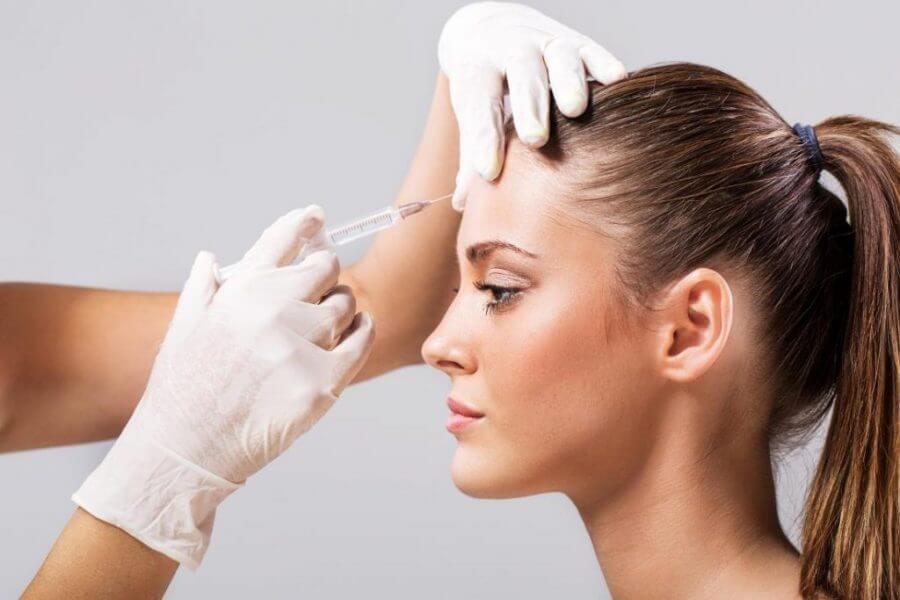
Botox and dermal fillers are non-surgical aesthetic treatments designed to improve facial appearance with minimal downtime. Botox works by temporarily relaxing targeted facial muscles to reduce dynamic wrinkles, such as frown lines or crow’s feet. Dermal fillers, often made from hyaluronic acid or similar biocompatible substances, restore volume, contour facial features, and smooth static wrinkles.
Although these procedures are minimally invasive, they still involve injections into facial tissues. The body requires a short period to adapt, stabilize the product, and recover from micro-trauma caused by the needles. This recovery window is crucial when considering travel plans.
Can you travel after Botox treatments?
In most cases, traveling after Botox is safe, but timing and behavior matter. Botox does not add volume to tissues, and it does not migrate easily when injected correctly. However, the medication needs time to bind to nerve endings and take effect.
How soon can you fly after Botox?
Most medical professionals advise waiting at least 24 hours before air travel after Botox. This recommendation is primarily precautionary rather than restrictive. During the first day, Botox is still settling into the targeted muscles. Activities that increase blood circulation, such as rushing through airports, lifting heavy luggage, or prolonged upright pressure, may theoretically increase the risk of diffusion into unintended areas.
Short local travel by car or train on the same day is generally acceptable if you avoid strenuous activity and excessive facial pressure.
Effects of cabin pressure on Botox
Airplane cabin pressure does not directly interfere with Botox. The concern is not the pressure itself but the physical activity and dehydration often associated with travel. Dehydration may increase the likelihood of headaches or muscle discomfort, while fatigue can exaggerate minor side effects such as tightness or heaviness in the treated areas.
Traveling after Dermal Filler treatments
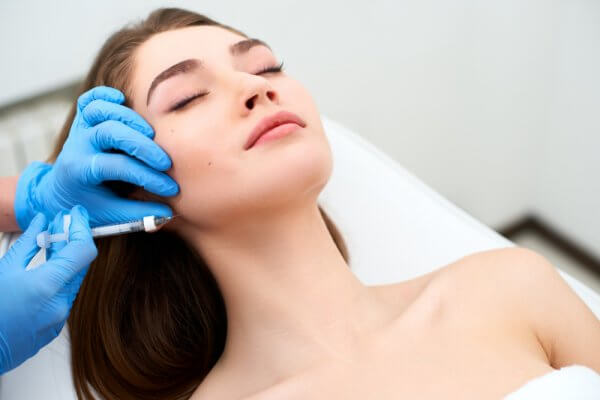
Dermal fillers require more careful planning when it comes to travel. Unlike Botox, fillers physically occupy space within facial tissues, making them more sensitive to swelling, pressure changes, and inflammation in the early post-treatment phase.
Recommended waiting time before traveling after Fillers
Most aesthetic specialists recommend waiting 48 to 72 hours before traveling after dermal filler injections. This allows initial swelling, redness, and tenderness to subside and gives the filler time to integrate with surrounding tissues.
For longer international flights or trips involving significant physical stress, waiting up to one week is often advised. This timeframe reduces the risk of prolonged swelling and allows time to address any early complications under medical supervision if needed.
Why flying too soon after Fillers can be problematic
After filler injections, blood vessels and soft tissues are temporarily more reactive. Air travel can worsen swelling due to prolonged sitting, lower cabin humidity, and changes in circulation. Facial swelling tends to peak within the first 24 to 48 hours after filler treatment, and flying during this period may make swelling more noticeable and uncomfortable.
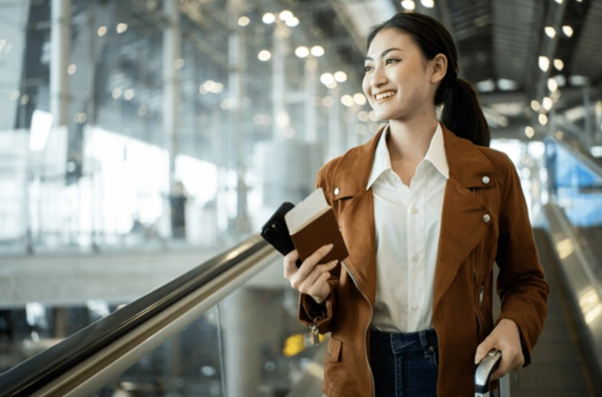
In rare cases, pressure and inflammation can contribute to uneven filler distribution or delayed bruising, particularly in sensitive areas such as the lips or under-eye region.
Key factors that influence travel readiness
The ideal time to travel after Botox or fillers is not the same for everyone. Several individual and procedural factors play an important role.
Treatment area and injection depth
Fillers placed in highly mobile or delicate areas, such as lips, tear troughs, or nasolabial folds, may require longer recovery before travel. Deeper structural fillers placed along the jawline or cheeks often stabilize more quickly, though mild swelling can still occur.
Volume of product ssed
Larger volumes of filler increase the likelihood of swelling and bruising. Patients receiving multiple syringes in one session should consider delaying travel longer than those receiving minimal enhancement.
Individual healing response
Some individuals naturally bruise or swell more easily than others. Personal medical history, skin sensitivity, and vascular response all influence recovery speed. If you have experienced prolonged swelling with past treatments, conservative travel timing is especially important.
Length and nature of travel
Short domestic trips are less demanding on the body than long international flights. Extended flights increase dehydration, fatigue, and fluid retention, all of which can intensify post-treatment swelling.
Tips for safe travel after Botox or Fillers
Even when travel is permitted, proper care can significantly reduce risks and improve comfort.
Maintaining adequate hydration before and during travel helps minimize swelling and supports circulation. Avoid alcohol for at least 24 to 48 hours, as it can worsen bruising and dehydration.
Keeping the head elevated during rest and sleep is particularly helpful after fillers. During flights, gentle facial movements and short walks can support circulation without putting pressure on treated areas.
Avoid facial massages, tight sleep masks, or resting your face against hard surfaces during the early healing phase. These actions may alter product placement, especially with fillers.
When you should delay travel
There are situations where postponing travel is strongly recommended. If you experience significant swelling, severe pain, unusual discoloration, or asymmetry that worsens after treatment, traveling should be delayed until evaluated by a qualified medical professional.

Patients undergoing corrective filler treatments or vascular complication management should not travel until cleared by their clinician, as close monitoring may be required.
Planning aesthetic treatments around your trip
If you know you will be traveling, scheduling your Botox or filler appointment well in advance is the safest approach. Botox should ideally be performed at least one week before important events or travel, allowing time for full results to develop. Fillers should be planned two to three weeks ahead, ensuring swelling has resolved and final contours are visible.
This buffer period also allows for touch-ups if needed and provides peace of mind while traveling.
Professional Guidance Matters
Every face, treatment plan, and travel schedule is unique. The most reliable advice always comes from a qualified aesthetic physician who understands your anatomy, medical history, and lifestyle. A personalized consultation ensures both safety and optimal aesthetic outcomes.
About Dr.Harvard – Beauty Surgery Clinic
At Dr.Harvard – Beauty Surgery Clinic, patient safety, medical precision, and long-term aesthetic harmony are at the core of every treatment. Our clinic specializes in advanced Botox and dermal filler procedures performed by experienced medical professionals using internationally certified products and evidence-based protocols.
We provide individualized treatment plans and detailed post-procedure guidance, including personalized advice for travel, work schedules, and special events. With a commitment to natural results and comprehensive aftercare, Dr.Harvard is a trusted destination for clients seeking safe, refined, and lasting aesthetic enhancement.
If you are planning Botox or filler treatments and want expert guidance tailored to your lifestyle, Dr.Harvard – Beauty Surgery Clinic is here to support you at every step of your aesthetic journey.