 EN
EN  VI
VI Vietnam has rapidly emerged as a trusted destination for international cosmetic surgery patients, thanks to its highly skilled medical professionals, modern facilities, and competitive costs. However, for patients traveling across borders, safety is the single most important concern. At a reputable cosmetic surgery clinic, safety is not a single step in the process but a comprehensive system that begins long before surgery and continues well after the patient returns home.
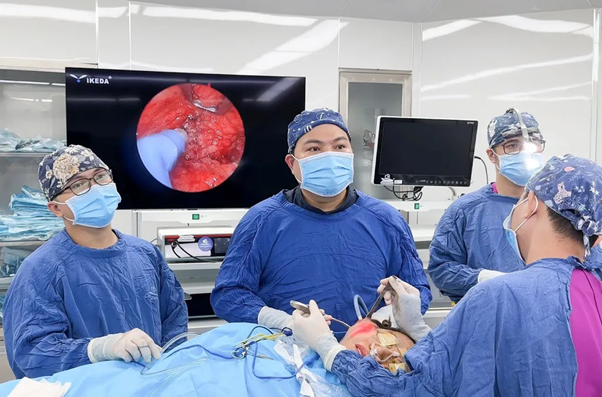
International cosmetic surgery patients in Vietnam are protected through strict medical standards, transparent procedures, and patient-centered care protocols
Understanding the unique risks for International Patients
International cosmetic surgery patients face challenges that local patients often do not. These include long-distance travel, language barriers, unfamiliar medical systems, and limited time for recovery in the destination country. A safe cosmetic surgery experience must account for all of these factors, not only the surgical procedure itself.
Ensuring safety for international patients requires careful coordination between medical teams, patient coordinators, anesthesiologists, and post-operative care specialists. It also requires honest communication and realistic planning so that patients fully understand what to expect at every stage of their journey.
Pre-arrival medical screening and online consultation
Safety begins before the patient ever boards a flight. For international patients, a thorough pre-arrival medical screening is essential to assess suitability for cosmetic surgery. This process typically includes a detailed health questionnaire, medical history review, and analysis of any existing conditions such as heart disease, diabetes, or previous surgeries.
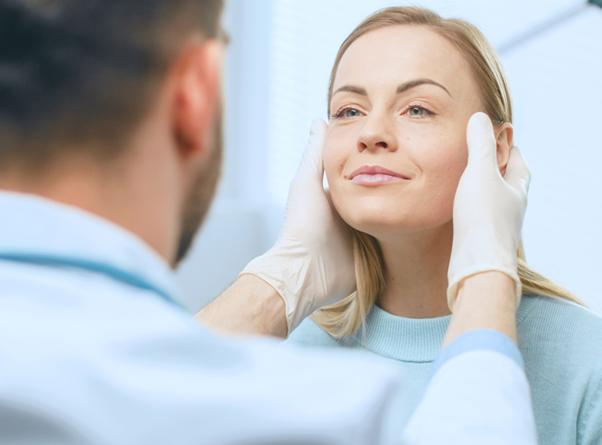
Online consultations play a critical role in this stage. Through secure video calls and digital documentation, surgeons can evaluate facial structure, body proportions, skin condition, and overall health. This allows doctors to determine whether a patient is a suitable candidate and to recommend the safest surgical approach. If any risk factors are identified, surgery may be postponed or alternative treatments suggested.
International-standard medical facilities and sterile environments
One of the most important safety factors in cosmetic surgery is the quality of the medical facility. International patients should only undergo procedures in clinics that meet strict hygiene, sterilization, and equipment standards.
Operating rooms must follow hospital-level sterilization protocols, including controlled air filtration systems, single-use surgical instruments where applicable, and rigorous infection control measures. All equipment used in surgery and anesthesia must be modern, well-maintained, and regularly inspected.
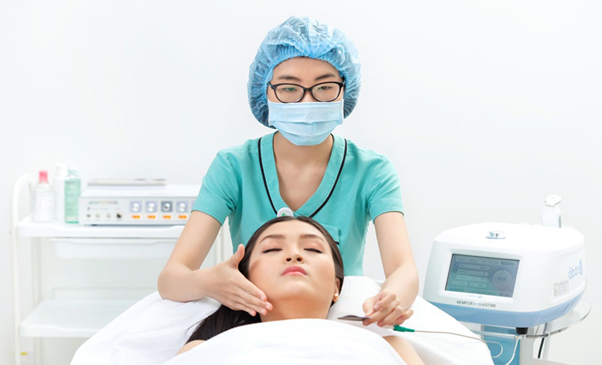
These standards provide reassurance that the surgical environment meets or exceeds global expectations, minimizing the risk of infection and complications
Board-certified surgeons and specialized medical teams
The expertise of the surgical team is the foundation of patient safety. International cosmetic surgery patients are safest when treated by board-certified surgeons with extensive experience in aesthetic procedures and a strong understanding of international beauty standards.
A qualified surgical team includes not only the cosmetic surgeon but also anesthesiologists, surgical nurses, and post-operative care specialists. Each member of the team plays a crucial role in monitoring patient safety before, during, and after surgery.
Surgeons experienced in treating international patients understand anatomical differences, cultural preferences, and realistic outcome expectations. This expertise reduces the risk of overcorrection, unnecessary procedures, or mismatched aesthetic results.
Safe anesthesia practices and intraoperative monitoring
Anesthesia is one of the most critical aspects of cosmetic surgery safety. For international patients, anesthesia protocols must be tailored to individual health profiles and the specific procedure being performed.
Before surgery, patients undergo pre-anesthetic evaluation to determine the safest type and dosage of anesthesia. During surgery, vital signs such as heart rate, blood pressure, oxygen levels, and breathing are continuously monitored by a licensed anesthesiologist.
Advanced monitoring systems allow the medical team to respond immediately to any changes in the patient’s condition, ensuring maximum safety throughout the procedure.
Clear surgical planning and risk transparency
Patient safety is closely tied to informed decision-making. International patients must clearly understand the procedure they are undergoing, including potential risks, recovery timelines, and realistic outcomes.
Before surgery, surgeons provide a detailed explanation of the surgical plan, incision techniques, expected results, and possible complications. This transparency helps patients make confident decisions and reduces anxiety, which can positively affect recovery.
Ethical clinics prioritize patient safety over aggressive surgical recommendations. If a requested procedure carries excessive risk or is unsuitable for the patient’s anatomy or health condition, a responsible surgeon will advise against it.
Post-operative monitoring and recovery care
The hours and days following surgery are critical for patient safety. International cosmetic surgery patients receive close post-operative monitoring to ensure stable recovery and early detection of any complications.
Immediately after surgery, patients are observed in a recovery area where medical staff monitor vital signs, pain levels, and surgical sites. Follow-up examinations are conducted regularly to assess healing progress, manage swelling, and prevent infection.
Professional recovery care includes proper wound management, medication guidance, and clear instructions on activity restrictions. This structured aftercare significantly reduces the risk of post-surgical complications.
Accommodation and travel safety planning
For international patients, safety extends beyond the clinic. Proper accommodation planning is essential to ensure a comfortable and stress-free recovery environment.
Patients are advised to stay in hotels or recovery residences that are close to the clinic and suitable for post-surgical needs. Transportation arrangements are carefully coordinated to minimize physical strain during transfers between the airport, accommodation, and clinic.
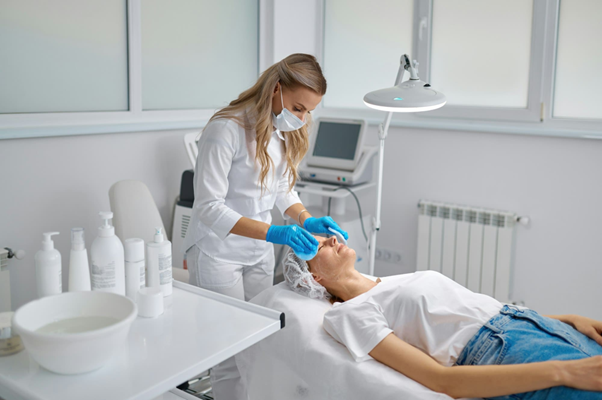
Travel timing is also planned with safety in mind. Patients are advised not to fly too soon after surgery, particularly after procedures that increase the risk of swelling or blood clots.
Long-term follow-up and remote aftercare
Safety does not end when the patient leaves Vietnam. Reliable clinics provide structured long-term follow-up for international patients after they return home.
Through online check-ins, photo updates, and virtual consultations, surgeons can monitor healing progress and address any concerns. Patients receive clear guidance on scar care, lifestyle adjustments, and signs that may require medical attention.
This continued connection ensures that patients are never left without support, even after crossing international borders.
Cultural sensitivity and language support
Effective communication is essential for patient safety. Language barriers can lead to misunderstandings, incorrect instructions, or unnecessary anxiety.
International cosmetic surgery clinics prioritize multilingual support staff who can communicate clearly with patients throughout the entire process. Cultural sensitivity also plays an important role in understanding patient expectations, personal comfort, and decision-making styles.
When patients feel understood and respected, they are more likely to follow medical advice accurately, leading to safer outcomes.
Commitment to ethical and patient-centered care
True safety in cosmetic surgery comes from a culture of ethics and responsibility. Clinics that prioritize patient well-being over profit invest in training, technology, and transparent practices.
International patients should feel empowered to ask questions, seek second opinions, and take time to make decisions. A clinic that supports this approach demonstrates genuine commitment to safety and long-term satisfaction.
Why international patients trust Dr.Harvard – Beauty Surgery Clinic
At Dr.Harvard – Beauty Surgery Clinic, patient safety is the foundation of every cosmetic procedure we perform. From comprehensive pre-arrival consultations to hospital-standard operating rooms, experienced surgeons, and structured post-operative care, we are dedicated to providing international patients with a safe, transparent, and reassuring surgical experience in Vietnam.
Our clinic specializes in caring for overseas clients, offering multilingual support, personalized treatment plans, and long-term follow-up even after patients return home. With a strong commitment to medical ethics, advanced technology, and patient-centered care, Dr.Harvard continues to be a trusted destination for international cosmetic surgery patients seeking both beauty and peace of mind.
If you are considering cosmetic surgery in Vietnam and safety is your top priority, Dr.Harvard – Beauty Surgery Clinic is ready to accompany you on every step of your journey.