 EN
EN  VI
VI Facial sagging is one of the earliest and most noticeable signs of aging. One of the biggest misconceptions about facial aging is that sagging has only one cause. In reality, it is the result of a combination of structural changes happening beneath the skin. Understanding whether sagging is caused by fat loss, loose skin, or muscle weakness is crucial for choosing the right aesthetic solution.
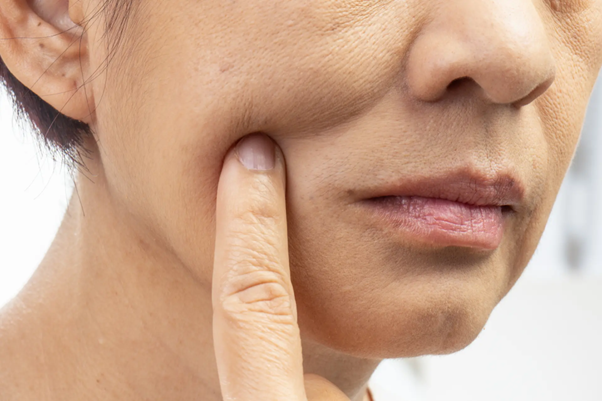
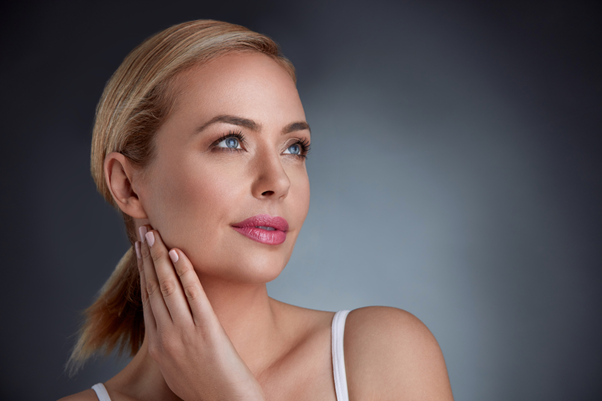
Facial sagging is a natural part of aging, but understanding its underlying causes is the first step toward successful rejuvenation
Understanding the anatomy of Facial Aging
The face is a complex structure composed of bone, fat pads, ligaments, muscles, and skin. Each of these components undergoes age-related changes, and the cumulative effects lead to the visible signs of facial sagging. When people notice their cheeks hollowing, smile lines deepening, or jawline losing definition, the cause could be one factor or a combination of several. Because the face ages three-dimensionally, a single treatment approach rarely solves the whole issue. Modern aesthetic science emphasizes identifying the root cause to create a personalized and effective treatment plan.
Fat Loss: The silent architect of a sunken or aged appearance
One major cause of facial sagging is the natural loss or shifting of facial fat. In youth, fat pads are evenly distributed, creating contours in the cheeks, temples, lips, and under the eyes. As time passes, these fat pads shrink and descend due to weaker supporting ligaments. When fat volume decreases, the face appears thinner and less lifted, even when skin elasticity is still good.
Facial fat loss typically leads to hollowness in the mid-cheek, deepening of nasolabial folds, and a less defined under-eye area. Individuals who lose weight rapidly or frequently cycle between weight gain and loss may notice sagging sooner because the facial fat pads do not always return to their original volume. Fat loss also reduces internal support, making the skin appear loose even if the skin itself is not the primary issue.
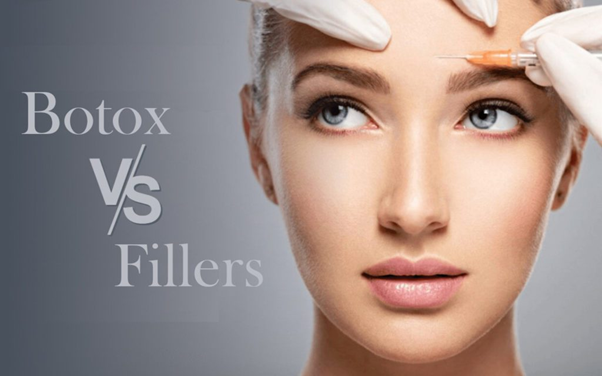
In cosmetic practice, restoring lost volume often requires injectable fillers, fat grafting, or bio-stimulating treatments. These solutions do not merely fill the space but help rebuild youthful facial architecture. For patients with moderate sagging driven primarily by fat loss, volume restoration alone can create dramatic lifting effects without the need for surgery.

Whether the issue stems from fat loss, loose skin, muscle weakness, modern aesthetic medicine offers advanced solutions that restore youthful contours and natural vitality.
Loose skin: When elasticity declines and gravity takes over
Skin laxity is the most commonly recognized cause of sagging. While genetics play a major role, environmental factors such as sun exposure, pollution, stress, and smoking accelerate the breakdown of collagen and elastin. These two structural proteins are responsible for keeping skin firm, resilient, and able to “snap back” after movement.
As collagen and elastin decline, the skin becomes thinner, weaker, and more prone to folding or wrinkling. Gravity gradually pulls the skin downward, leading to jowls, drooping eyelids, marionette lines, and a longer, less youthful facial shape. Unlike fat loss, which causes hollowness, loose skin creates a heavier, droopy appearance.
Many individuals mistake skin laxity for excess fat or assume they need to lose weight. In reality, treatments that target skin tightening are necessary when the issue lies in elasticity. Laser therapy, RF (radiofrequency) tightening, ultrasound lifting, and thread lifting are commonly recommended for mild to moderate skin laxity. For severe cases, surgical options such as a facelift or eyelid surgery may be the most effective way to achieve long-lasting improvement.
Muscle weakness: The underestimated contributor to facial droopiness
The underlying layer of facial muscles, known as the superficial musculoaponeurotic system (SMAS), also changes with age. These muscles work constantly throughout one’s life – smiling, talking, chewing, and expressing emotion. Over time, repetitive use combined with decreased muscle tone causes the muscles to stretch downward. This contributes significantly to sagging, especially in the lower face and neck.
In some cases, facial asymmetry or drooping occurs because one side weakens more than the other. Loss of muscle support also accelerates the descent of fat pads and skin, creating a domino effect in aging. When muscle tone deteriorates, even high-quality skin may sag because the foundation beneath it is no longer firm.
Treatments for muscle-related sagging may include energy-based devices that target deeper layers, such as ultrasound (HIFU) or specialized lifting techniques that reposition and tighten the SMAS. Facial exercises or therapy may help improve tone in some cases, but true structural lifting usually requires professional aesthetic intervention. For advanced muscle laxity, surgical lifting remains the gold standard, since it directly addresses the SMAS layer and repositions tissues to their youthful location.

Personalized treatment, based on a precise evaluation of your facial structure, is the key to achieving balanced, long-lasting, and elegant results
How to identify the true cause of Facial Sagging
Because facial sagging often results from a blend of fat loss, skin laxity, and muscle weakening, self-diagnosis is difficult. However, understanding key signs can help individuals recognize the primary source of aging.
A face that looks hollow or thinner than before often points toward fat loss. A face that looks droopy, heavy, or loose signals loss of skin elasticity. A face that looks structurally lower, especially around the jawline and neck, may indicate weakened support from muscles and ligaments. In reality, most patients experience all three issues at once, especially after the age of 40.
Modern aesthetic assessment involves evaluating the quality of skin, the distribution of fat pads, and the positioning of deeper facial structures. This holistic view allows specialists to craft treatment plans that lift, tighten, and restore volume harmoniously instead of addressing a single layer while neglecting others.
Choosing the right treatments based on the cause
Selecting the correct treatment is essential for achieving natural, long-lasting facial rejuvenation. Instead of relying on trends or a one-size-fits-all solution, patients should consider an approach that targets their exact aging mechanism.
If fat loss is the main issue, treatments that restore volume such as fillers, collagen stimulators, or fat transfer, can revive softness and youthful contours. If loose skin is the issue, tightening treatments such as RF microneedling, ultrasound lifting, or laser rejuvenation will help improve elasticity and tone. If muscle weakness or deeper structural descent is present, lifting techniques that reposition the SMAS layer are the most suitable.
Many patients benefit from a combination approach. For example, restoring mid-cheek volume while tightening the skin and lifting the SMAS provides comprehensive rejuvenation, addressing aging at every layer. This multi-layer strategy is why patients often achieve more natural results today compared to older methods that treated only the surface.

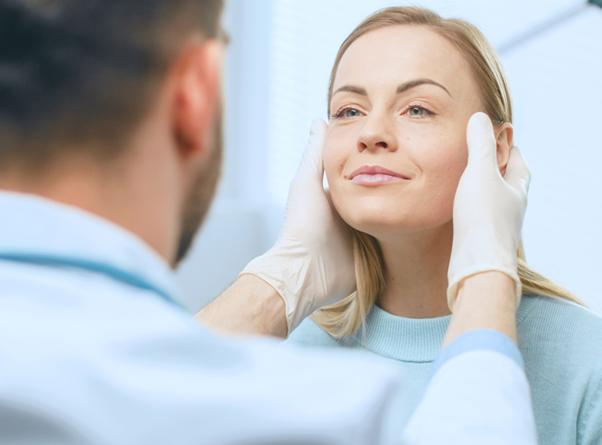
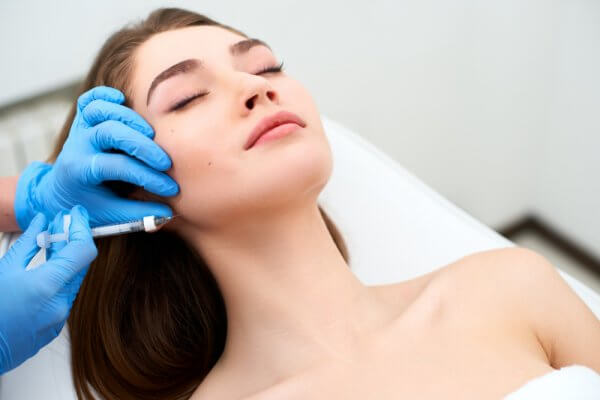
A professional uses a combination of clinical observation, facial analysis techniques, and advanced tools to evaluate what is truly happening beneath the surface
About Dr.Harvard – Beauty Surgery Clinic
Dr.Harvard is a leading aesthetic surgery clinic specializing in advanced facial rejuvenation, structural lifting, and personalized anti-aging solutions. With a team of highly trained surgeons, modern technology, and international-standard treatment protocols, Dr.Harvard provides safe, effective, and natural-looking outcomes. Each patient receives a detailed consultation to determine the true cause of their facial sagging and a customized treatment plan designed to deliver harmonious, youthful results.
For expert guidance and transformative aesthetic care, Dr.Harvard is your trusted partner on the journey to renewed confidence.