 VI
VI  EN
EN Facelift surgery has become one of the most refined and effective procedures for facial rejuvenation, offering long-lasting improvements for sagging skin, deep wrinkles, and loss of facial definition. Yet among patients considering this treatment, the most common question remains: “How painful is a facelift?”. This article provides a full and medically grounded explanation of what patients actually feel during and after a facelift, based on clinical experience, patient reports, and current surgical standards, so you can make an informed decision with confidence.

Pain is often the greatest psychological barrier before surgery, and many people imagine the procedure to be far more intense than it actually is.
Understanding what happens during a Facelift
To understand the source of discomfort, it helps to know what a facelift involves. A modern facelift focuses on lifting the deeper facial layers called the SMAS (Superficial Musculo-Aponeurotic System), tightening loose skin, and restoring youthful contours. Contrary to outdated methods, surgeons today do not rely on pulling the skin tightly; instead, they reposition muscles and tissues so the result looks natural and lasts longer.
Because the procedure works below the skin and involves manipulation of facial structures, patients often assume it must be extremely painful. However, the use of general anesthesia or deep sedation during surgery ensures patients remain fully comfortable and unaware of any sensations. In expert hands, the process is highly controlled, and surgical techniques are designed to minimize trauma, swelling, and nerve irritation.
Pain during the procedure: What patients really feel
During the surgery itself, patients feel no pain at all. Anesthesia ensures complete numbness and unconsciousness, and most individuals wake up with only mild pressure sensations rather than sharp or intense pain. Modern anesthesia protocols are highly customized to each patient’s needs, making the experience smoother than many expect.
For the majority of patients, the greatest surprise is how comfortable they are immediately after waking up. Instead of pain, patients commonly report a sensation similar to tightness or heaviness along the cheeks, jawline, and neck. This is normal and occurs because tissues have been lifted and the skin has been repositioned.
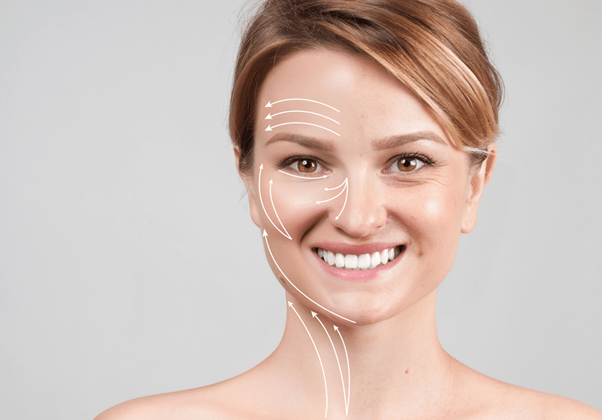
Modern surgical techniques and specialized post-operative care have significantly reduced discomfort for patients using Facelift
The first 24 Hours after surgery
The first day of recovery typically brings the most noticeable sensations, though still not usually described as severe pain. The face may feel tight, swollen, or firm to the touch. Some patients compare the sensation to muscle soreness after a long workout. There may also be mild burning or tingling as the nerves start to react to the changes.
These sensations are managed effectively with prescribed pain medication. Many patients require only mild analgesics, while others may use stronger medication for a short time depending on their personal pain threshold. The majority of discomfort peaks within 24–48 hours and then begins to steadily decrease.
The presence of bandages or a supportive compression garment also contributes to a sense of pressure, but not necessarily pain. These dressings help reduce swelling and stabilize the tissues, playing an essential role in the healing process.
The first week: What the majority of patients report
By the second or third day after surgery, most patients notice a significant reduction in discomfort. The face may still feel tight or tender, especially along the incisions near the ears or hairline, but sharp pain is uncommon.
Bruising and swelling continue to subside, and many people switch to over-the-counter pain relief by the end of the first week. Some stiffness may remain when opening the mouth widely or turning the neck, but this improves gradually as the tissues relax and inflammation resolves.
Numbness in the cheeks, chin, or around the ears is also common during the first week. This is not painful, but it can feel unusual. Nerve endings regenerate slowly, and sensation typically normalizes over several weeks to months.
Patients are often surprised by how quickly normal routines become comfortable again. Light walking, gentle activities, and basic self-care can be resumed within a few days, though strenuous exercise must wait until later.
Week two to one month: Continued reduction in sensations
As healing progresses, most patients experience minimal to no pain. Tightness remains the most persistent sensation, especially when smiling or laughing, though it becomes less noticeable each week. Swelling diminishes gradually, and the facial contours begin to soften into a more natural appearance.
Some people may feel occasional tingling or small “electric” shocks as nerves continue to reconnect. These sensations are brief and harmless, signaling that healing is progressing normally.
By two to three weeks after surgery, many patients feel comfortable enough to return to work or social activities. Makeup can usually be applied to conceal mild bruising, and most postoperative tenderness has significantly decreased.
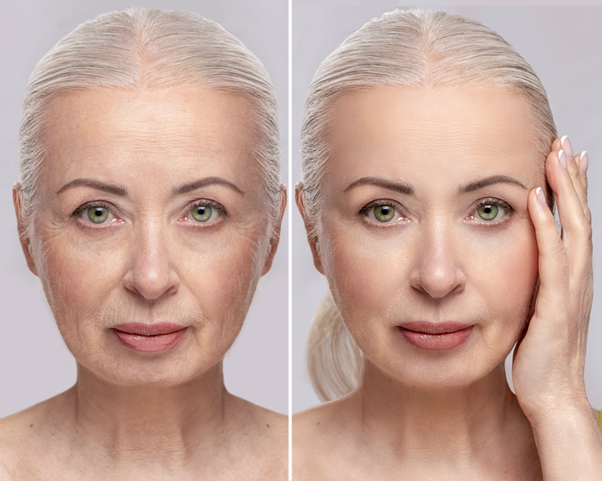
Facelift recovery today involves far less discomfort than patients expect, with most reporting only mild, manageable sensations rather than true pain
Long-Term sensations and final healing
A facelift requires patience, not because of pain, but because complete healing takes time. Minor tightness or numbness may persist for several weeks or even months as tissues fully settle. These sensations are rarely described as uncomfortable, more often as a reminder that the face is still improving.
There is no long-term pain associated with a properly performed facelift. Once healed, patients typically enjoy a refreshed, natural, and more youthful appearance without ongoing discomfort.
Managing pain effectively after a Facelift
Although severe pain is uncommon, effective pain management is essential to ensure comfort and peace of mind. Surgeons typically prescribe a combination of medication that targets inflammation, muscle tension, and discomfort. Patients are encouraged to take these medications as directed rather than waiting until sensations worsen.
Cold compresses, resting with the head elevated, sleeping in a supported position, and avoiding strenuous activity are key strategies that help reduce swelling and tension. Proper hydration and balanced nutrition also support the body’s ability to heal efficiently.
Above all, communication with the medical team is vital. Any unexpected or persistent discomfort should be reported promptly so adjustments can be made to the recovery plan. Most issues are easily resolved with a quick consultation.
So, how painful is a Facelift really?
The truth is that a facelift is far less painful than many people expect. Most patients describe the recovery as tight, swollen, and occasionally tender, but not severely painful. With modern surgical techniques, high-quality anesthesia, and attentive postoperative care, discomfort remains manageable and short-lived.
A facelift is a significant investment in long-term facial rejuvenation, and the temporary sensations of recovery are overwhelmingly outweighed by the natural, youthful results that follow. For individuals seeking a refreshed and lifted appearance, the level of discomfort should not be a barrier to pursuing this transformative procedure.
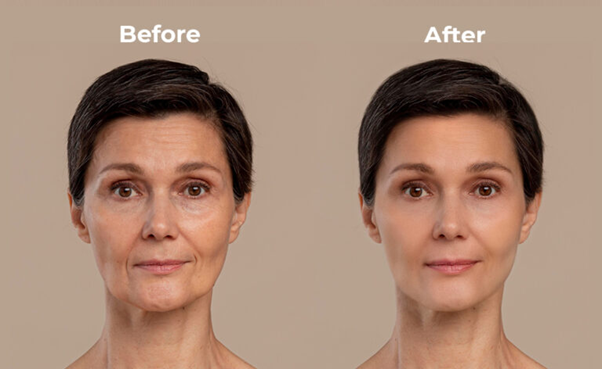
Most patients experience smooth recovery periods characterized by pressure or tightness rather than sharp or severe pain
Why do patients trust Dr.Harvard – Beauty Surgery Clinic?
At Dr.Harvard – Beauty Surgery Clinic, patient comfort, safety, and aesthetic excellence define every step of our care. Our expert surgeons specialize in modern SMAS and deep-plane facelift techniques that minimize trauma while maximizing natural, long-lasting results. Every patient receives a personalized treatment plan, advanced pain-control strategies, and continuous follow-up throughout the healing journey.
If you are considering a facelift and want to experience world-class care with proven outcomes, our team is ready to guide you. Contact Dr.Harvard – Beauty Surgery Clinic today for a private consultation and discover the safest, most comfortable path to a younger, more confident you.