 VI
VI  EN
EN In recent years, cosmetic surgery has evolved rapidly, not only in techniques but also in how procedures are planned. One growing trend is combining multiple cosmetic procedures into a single surgical trip. Many patients are drawn to this approach because it promises efficiency, fewer recovery periods, and potentially lower overall costs. However, an important question remains at the center of this trend: Can multiple cosmetic procedures truly be combined safely in one trip?
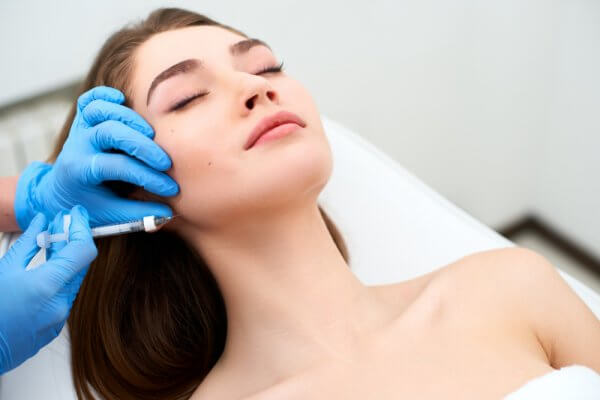
Combining multiple cosmetic procedures in one trip can be both safe and effective when it is guided by medical expertise
Understanding combined cosmetic procedures
Combining cosmetic procedures refers to performing two or more aesthetic surgeries during one operative session under a single anesthesia. Common examples include pairing a facelift with eyelid surgery, combining breast augmentation with a lift, or performing liposuction alongside a tummy tuck. These combinations are often referred to as “mommy makeovers” or full-body contouring plans.
The idea behind this approach is efficiency. Instead of undergoing multiple surgeries on different dates, patients experience one anesthesia, one hospital stay, and one recovery period. From a medical standpoint, this can be appropriate when procedures target related areas of the body or have compatible recovery processes.
Why patients consider combining procedures
Many patients choose combined cosmetic procedures for practical reasons. One of the most significant benefits is reduced overall downtime. Rather than taking time off work or daily responsibilities multiple times, patients recover once. This is especially appealing for individuals with demanding schedules or those traveling from other regions or countries for treatment.
Another motivating factor is emotional readiness. Patients often feel prepared for transformation at a specific moment in their lives, such as after childbirth, significant weight loss, or major life changes. Combining procedures can align physical changes with that personal milestone.
From a financial perspective, combining procedures may reduce costs associated with operating room fees, anesthesia charges, and hospital stays. While the surgical fees themselves remain procedure-specific, shared expenses can make the overall investment more manageable.
Medical safety as the primary consideration
While the benefits are clear, safety remains the most critical factor when considering multiple procedures in one trip. Cosmetic surgery, though elective, is still surgery and places physical stress on the body. The safety of combining procedures depends on a careful balance between surgical scope and patient health.
One of the most important factors is operative time. Longer surgeries increase the risk of complications such as blood clots, infection, and delayed healing. Most board-certified surgeons adhere to strict limits on total surgery duration to minimize these risks. If combining procedures would result in excessive operative time, it may be safer to stage them across separate sessions.
Blood loss is another key consideration. Each procedure contributes to cumulative blood loss, and surgeons must assess whether the total remains within safe limits. Modern techniques and meticulous surgical planning help control this factor, but it still plays a role in determining how many procedures can be safely performed together.

The most important factor is choosing an approach that prioritizes long-term health, balanced results, and proper recovery
The role of patient Health and Medical history
Not every patient is an ideal candidate for combined cosmetic procedures. Overall health status plays a decisive role in safety. Patients with chronic conditions such as heart disease, diabetes, respiratory disorders, or clotting abnormalities may face higher risks during longer or more complex surgeries.
Age alone is not necessarily a limiting factor, but physiological resilience often changes over time. Surgeons evaluate cardiovascular health, lung function, and the body’s ability to heal before approving combined procedures. Lifestyle factors such as smoking, alcohol consumption, and body mass index also influence surgical risk and recovery outcomes.
A thorough preoperative assessment allows surgeons to determine whether a patient can safely tolerate multiple procedures in one session or if a staged approach would be more appropriate.
Anesthesia and its impact on safety
Anesthesia is a crucial component of cosmetic surgery safety. When multiple procedures are combined, patients typically remain under anesthesia for a longer period. Modern anesthesia is generally very safe when administered by experienced professionals, but extended exposure still requires careful monitoring.
Anesthesiologists work closely with surgeons to manage vital signs, fluid balance, and pain control throughout the procedure. For healthy patients, longer anesthesia times are often well tolerated, but individualized assessment is essential. The goal is always to minimize anesthesia duration while achieving optimal surgical outcomes.
Recovery and Healing after combined procedures
Recovery is another important consideration. While one recovery period can be more convenient, it may also be more intense. The body must heal from multiple surgical sites simultaneously, which can increase fatigue and discomfort during the early postoperative phase.
Swelling, bruising, and temporary mobility limitations may be more pronounced. Patients must be prepared to follow postoperative instructions diligently, including rest, wound care, and activity restrictions. Adequate support at home during recovery is especially important when multiple procedures are involved.
Despite these challenges, many patients report that a single, comprehensive recovery feels more manageable than repeating the process multiple times, particularly when they are well-informed and properly prepared.
When combining procedures is not recommended
There are situations where combining cosmetic procedures may not be advisable. If procedures involve very different areas of the body with conflicting recovery requirements, staging them separately may lead to better outcomes. For example, combining extensive body contouring with delicate facial surgery might complicate positioning, swelling management, or postoperative care.
Additionally, patients seeking extensive transformations may benefit from a phased approach. Performing surgeries in stages allows the body to recover fully between procedures and gives surgeons the opportunity to fine-tune results based on how tissues heal and respond.

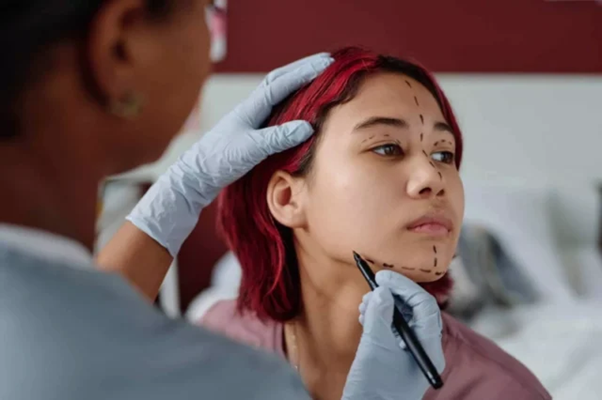
Combined procedures can reduce downtime, streamline recovery, and deliver harmonious aesthetic outcomes without compromising safety
The importance of surgeon experience and planning
The safety of combined cosmetic procedures depends heavily on surgeon expertise and clinical judgment. Experienced surgeons understand how different procedures interact, how long surgeries should last, and how to anticipate potential complications.
Detailed surgical planning is essential. This includes prioritizing procedures, sequencing them logically during surgery, and coordinating with anesthesia and nursing teams. High-quality facilities with proper accreditation and emergency protocols further enhance patient safety.
Equally important is open communication between patient and surgeon. Patients should feel comfortable discussing their goals, concerns, and expectations. A responsible surgeon will recommend only what is medically appropriate, even if that means advising against combining certain procedures.
Making an informed decision
Ultimately, the decision to combine cosmetic procedures should be made collaboratively. Patients should be well-informed about the benefits, risks, and alternatives. There is no universal answer that applies to everyone. What is safe and effective for one individual may not be suitable for another.
When properly selected and expertly performed, combining multiple cosmetic procedures in one trip can be safe and rewarding. The key lies in individualized assessment, conservative surgical planning, and a strong focus on patient well-being above all else.
Expert care at Dr.Harvard Beauty Surgery Clinic
At Dr.Harvard Beauty Surgery Clinic, patient safety and long-term results are always our top priorities. Our team of experienced surgeons and medical professionals takes a personalized approach to every treatment plan, carefully evaluating whether combined cosmetic procedures are appropriate for each individual. Through comprehensive consultations, advanced surgical techniques, and attentive postoperative care, we help patients achieve natural, harmonious results with confidence and peace of mind.
If you are considering cosmetic surgery and want expert guidance on the safest and most effective options, Dr.Harvard Beauty Surgery Clinic is committed to accompanying you every step of the way.